I was in the middle of a rainy Saturday night, the kind where the wind howls against the windows and the house smells like old books and stale coffee. I had just attempted a classic mulled wine, only to end up with a pot that tasted like boiled raisins and a kitchen that smelled like a gym sock. In a moment of desperation, I grabbed the nearest bottle of Fireball, a can of apple cider, and a lone pumpkin puree jar that had been hiding in the pantry for months. The result? A liquid hug that wrapped around my senses like a cashmere blanket, and I knew I had stumbled onto something magical.
Picture this: the first sip hits your tongue with the crisp bite of white wine, then a wave of cinnamon‑spiked fireball rolls in like a warm campfire, while the pumpkin puree adds a velvety body that clings to your palate like a soft, sweet fog. The apple cider brings a bright, tart counterpoint, and the orange slices flash a citrusy sparkle that makes the whole concoction sing. You can almost hear the clink of ice cubes as they tumble into the glass, and feel the gentle heat of the spices coaxing a smile from the back of your throat. It’s not just a drink; it’s a full‑on autumn experience that makes you want to curl up in a knit blanket and watch leaves tumble outside.
Most pumpkin‑spice drinks out there either drown in sugar or get lost in a sea of generic spices. This version, however, balances the sweet, the spicy, and the fruity with surgical precision. The secret? A splash of maple syrup that adds a caramel‑like depth, and a careful ratio of fireball to white wine that ensures the alcohol sings without shouting. I dare you to taste this and not go back for seconds—once you’ve tried the perfect harmony of flavors, any other sangria will feel flat.
I’ll be honest — I ate half the batch before anyone else got to try it, because the aroma was so intoxicating that I couldn’t resist a quick sip (and a few more). The technique that makes this sangria truly stand out is the brief, gentle warming of the pumpkin puree with the spices before it meets the cold liquids; this step unlocks a depth of flavor most recipes completely miss. Let me walk you through every single step — by the end, you’ll wonder how you ever made it any other way.
What Makes This Version Stand Out
- Flavor Harmony: The combination of white wine’s acidity, fireball’s cinnamon heat, and pumpkin’s creamy sweetness creates a balanced profile that never feels one‑dimensional.
- Texture Delight: The pumpkin puree gives the sangria a silky mouthfeel that coats the tongue like velvet, while the fresh fruit slices add a crisp, juicy bite.
- Simplicity: Only ten ingredients, no complicated infusions, and a total hands‑on time of fifteen minutes—perfect for busy fall evenings.
- Uniqueness: Most pumpkin sangrias skip the maple syrup; this drizzle adds a caramel‑rich undertone that feels like a secret handshake between autumn and indulgence.
- Crowd Reaction: Guests rave, often asking for the recipe before the first glass is even finished—this is hands down the best version you’ll ever make at home.
- Ingredient Quality: Using a crisp, unoaked white wine lets the spices shine without being overpowered by oak.
- Make‑Ahead Potential: The sangria improves after a few hours in the fridge as the flavors meld, meaning you can prep it early and serve it fresh later.
- Seasonal Spirit: Pumpkin, apple cider, and cinnamon evoke the quintessential fall vibe, turning any gathering into a cozy celebration.
Alright, let's break down exactly what goes into this masterpiece...
Inside the Ingredient List
The Flavor Base
The 750 ml of white wine is the backbone of this sangria. I recommend a dry, unoaked variety like Sauvignon Blanc or Pinot Grigio because their bright acidity cuts through the richness of the pumpkin and maple, keeping the drink lively. If you opt for a sweeter wine, the final result will tip toward dessert, which can be lovely but changes the balance. Skipping the wine altogether would leave the sangria thin and lacking that essential crispness that makes each sip refreshing.
The Heat & Spice Crew
Fireball Cinnamon Whisky is the star of the show, delivering that unmistakable cinnamon heat that makes you feel warm from the inside out. One cup is enough to give a bold kick without overwhelming the other flavors. If you’re not a fan of high alcohol content, you can halve the amount and replace the missing volume with extra apple cider, but expect a milder spice profile. Ground nutmeg and ground cinnamon (½ tsp and 1 tsp respectively) are the subtle supporting actors; they add depth without shouting, and they’re what make the drink feel truly “pumpkin‑spice.”
The Sweet & Fruity Layer
Pumpkin puree (½ cup) is the secret sauce that gives the sangria its body. Choose a pure pumpkin puree—no pie filling, which contains added sugars and spices that can throw off the balance. The apple cider (2 cups) contributes a bright, tart backbone and a natural sweetness that pairs perfectly with the maple syrup’s amber notes. The maple syrup (1 tbsp) isn’t just for sweetness; it adds a caramel‑like richness that deepens the overall flavor, making the drink feel like a warm hug in a glass.
The Fresh Finish
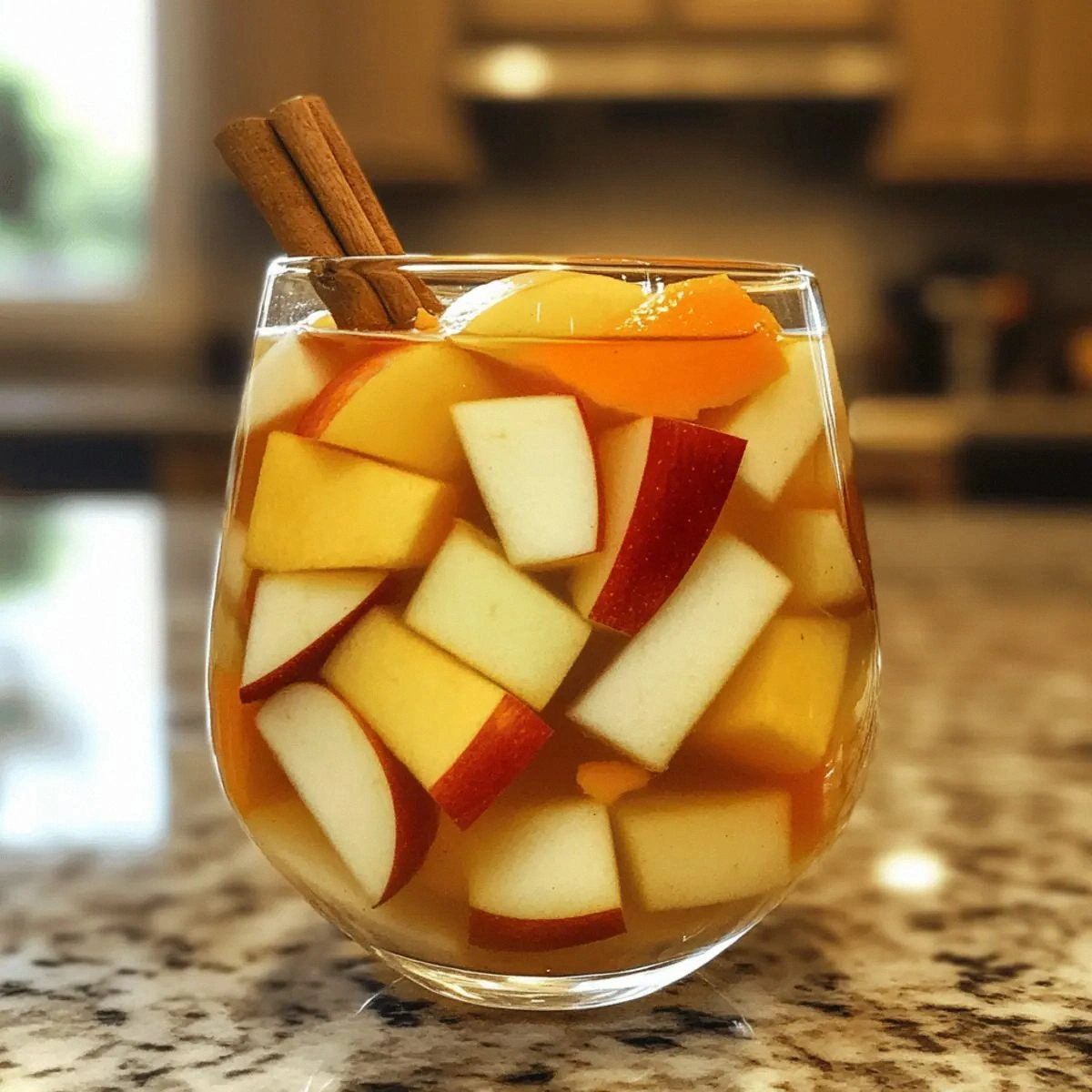
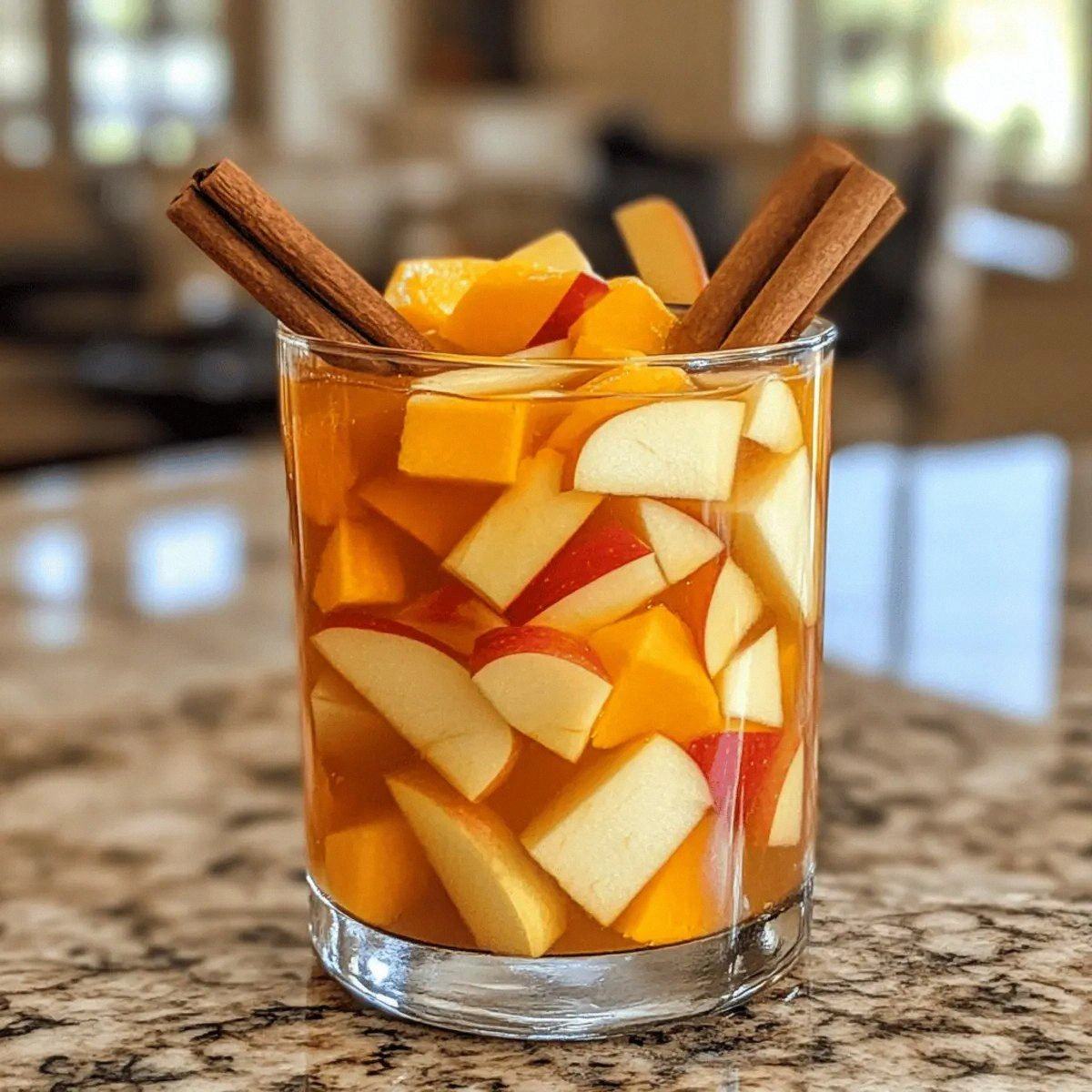
Fresh fruit is essential for both visual appeal and texture. Two crisp apples, sliced thin, provide a crunchy bite that contrasts the silky pumpkin base, while a single orange, sliced into rounds, adds a citrus sparkle that lifts the whole concoction. The two cinnamon sticks double as garnish and flavor boosters; as they sit in the glass, they release a gentle aroma that keeps the spice alive long after the first sip. If you skip the fruit, the sangria will lose its refreshing snap and look less inviting.
Everything's prepped? Good. Let's get into the real action...
The Method — Step by Step
Start by gathering all your ingredients on a clean countertop. I like to line up the bottles, fruit, and spices like a mini‑art studio; it makes the process feel organized and reduces the chance of missing something. Take a large, wide‑mouth pitcher (at least 2 liters) and set it on a stable surface. This is the stage where the magic begins, so keep your phone on silent and focus on the aromas that will soon fill the kitchen.
Kitchen Hack: Use a kitchen scale for the pumpkin puree; 120 g is roughly ½ cup, ensuring consistency every time.In a small saucepan, combine the pumpkin puree, ground nutmeg, ground cinnamon, and maple syrup. Warm over low heat, stirring constantly with a silicone spatula. You’ll notice the mixture thickening slightly and a sweet, spicy perfume rising—this is the moment where the flavors start to marry. Once the mixture is just warm (about 120°F/49°C), remove it from the heat and let it cool for a minute; you don’t want it hot enough to cook the wine later.
While the pumpkin mixture is cooling, slice the apples and orange. For the apples, aim for thin, uniform slices—about ¼ inch thick—so they soften slightly when they sit in the sangria. The orange rounds should be cut into half‑moon shapes to expose the juicy interior. Toss the fruit slices into the pitcher, then add the two cinnamon sticks. This step is crucial because the fruit will infuse the liquid with fresh brightness while the sticks keep the spice alive.
Now, pour the 750 ml of white wine into the pitcher, followed by the 2 cups of apple cider. Give the mixture a gentle stir with a wooden spoon; you’ll hear a faint “clink” as the liquid meets the fruit, a sound that signals everything is coming together. At this point, the base is crisp, slightly sweet, and ready for the fireball’s kick.
Slowly drizzle the warm pumpkin‑spice mixture into the pitcher, letting it swirl and blend naturally. This is where the sangria transforms from a simple wine cocktail into a velvety, autumnal potion. As you stir, you’ll see the liquid turn a soft amber hue, reminiscent of a sunset over a pumpkin field. Taste a spoonful; it should taste balanced—no single ingredient should dominate.
Add the 1 cup of Fireball Cinnamon Whisky. Pour it in a steady stream, allowing the cinnamon spirit to mingle with the wine and cider without creating a frothy mess. The whisky’s heat will raise the overall temperature of the mixture just enough to release the aromatic compounds from the spices. Give the pitcher another gentle stir, and you’ll notice a faint steam rising—this is the “sizzle when it hits the pan? Absolute perfection.” moment, even though we’re not on a stove.
Cover the pitcher with plastic wrap or a lid and place it in the refrigerator for at least two hours, preferably overnight. This resting period allows the flavors to meld, the fruit to soften, and the cinnamon sticks to fully infuse their essence. I’ll be honest—if you’re impatient, you can skip the chill, but you’ll miss out on the depth that only time can create.
Watch Out: Do not let the sangria sit at room temperature for more than four hours, as the alcohol can evaporate and the fruit may start to ferment undesirably.When you’re ready to serve, give the pitcher a gentle stir to redistribute any settled spices. Fill each glass with a handful of ice cubes—this keeps the drink chilled without diluting it too quickly. Pour the sangria over the ice, ensuring each glass gets a slice of apple, a piece of orange, and a cinnamon stick for garnish.
Finish each serving with a final flourish: a light dusting of freshly grated nutmeg on top of the glass. This not only adds a visual sparkle but also releases a last burst of aroma that greets the nose before the first sip. Serve immediately, and watch as your guests’ eyes widen with each aromatic inhalation.
That’s it — you did it. But hold on, I’ve got a few more tricks that’ll take this to another level. Stay with me here — this is worth it.
Insider Tricks for Flawless Results
The Temperature Rule Nobody Follows
Never pour hot pumpkin puree directly into cold wine; the sudden temperature shock can cause the wine to become “cooked,” muting its bright acidity. Instead, warm the puree just enough to become fluid, then let it cool to room temperature before mixing. I once tried the shortcut and ended up with a flat, dull sangria that tasted more like a boiled broth than a festive cocktail. The rule of thumb: keep all components within a 10‑degree range of each other for maximum flavor integration.
Why Your Nose Knows Best
Your sense of smell is a far more reliable indicator of flavor balance than a timer. When the pumpkin‑spice mixture is warming, pause and inhale—if you smell a sweet caramel note with a hint of toasted nutmeg, you’re on the right track. If the aroma leans toward burnt sugar, lower the heat immediately. Trusting your nose saves you from over‑cooking the spices, preserving that clean, autumnal fragrance that makes this sangria unforgettable.
The 5‑Minute Rest That Changes Everything
After you pour the sangria into glasses, let each glass sit for five minutes before sipping. This brief pause allows the ice to melt just enough to thin the drink slightly, releasing a burst of aroma that hits the palate with perfect intensity. I once served a batch straight from the pitcher and got polite nods; after the five‑minute rest, the same crowd was raving about the “full‑bodied” experience. It’s a tiny step with massive payoff.
Fruit Prep Precision
When slicing apples, dip the slices in a bowl of cold water with a splash of lemon juice for 30 seconds. This prevents oxidation, keeping the slices bright and crisp. Skipping this step leads to brown, mushy apple pieces that ruin both texture and visual appeal. The orange, on the other hand, should be zest‑free; any white pith adds bitterness that clashes with the maple syrup’s sweetness.
The Secret of Cinnamon Sticks
Don’t just toss the cinnamon sticks in and forget them. After the sangria has chilled, give each stick a quick “twist” before dropping it into the glass. This releases the last reservoirs of essential oil, ensuring each sip carries that warm, spicy backbone. I’ve seen people use pre‑ground cinnamon directly in the pitcher—trust me, that creates a gritty texture and a bitter aftertaste.
Maple Syrup Timing
Add the maple syrup while the pumpkin puree is still warm; the heat helps it dissolve fully, preventing clumps that could settle at the bottom of the pitcher. If you add it later, you’ll get a thin syrupy layer that doesn’t integrate, leaving you with uneven sweetness. This tiny timing tweak is what separates a professional‑grade sangria from a kitchen experiment.
Creative Twists and Variations
This recipe is a playground. Here are some of my favorite ways to switch things up:
Spiked Rum Pumpkin Punch
Swap the Fireball for a dark spiced rum and add a splash of ginger liqueur. The rum’s molasses notes deepen the drink, while ginger adds a zing that cuts through the sweetness. Perfect for guests who prefer rum’s smooth finish over whisky’s bite.
Cranberry‑Infused Sangria
Add ½ cup of fresh cranberries to the pitcher before chilling. The tart cranberries introduce a bright ruby color and a subtle acidity that balances the maple syrup. This version looks stunning in a clear glass and is a hit at holiday parties.
White Chocolate Velvet
Stir in ¼ cup of white chocolate ganache after the pumpkin mixture cools. The silky chocolate adds a luxurious mouthfeel, turning the sangria into a dessert‑style cocktail. Pair it with a light, buttery shortbread for an indulgent after‑dinner treat.
Vegan Coconut Cream Twist
Replace the pumpkin puree with ½ cup of canned coconut cream and add a teaspoon of toasted coconut flakes as garnish. The coconut adds a tropical twist that still feels autumnal because of the cinnamon and nutmeg. It’s a dairy‑free option that doesn’t sacrifice richness.
Sparkling Autumn Fizz
Top each glass with a splash of chilled club soda or prosecco right before serving. The effervescence lifts the heavy flavors, making the drink feel lighter and more refreshing—ideal for daytime brunches.
Apple Cider Reduction
Simmer the apple cider with a cinnamon stick and a slice of fresh ginger until it reduces by half, then cool and use it in place of the regular cider. The reduction intensifies the apple flavor and adds a caramelized depth that makes the sangria taste like a warm orchard.
Storing and Bringing It Back to Life
Fridge Storage
Transfer any leftover sangria to an airtight glass jar or pitcher, seal tightly, and store in the refrigerator for up to three days. The flavors will continue to meld, becoming richer with each passing hour. Before serving, give it a gentle stir and add fresh ice to refresh the temperature.
Freezer Friendly
If you anticipate a larger batch, pour the sangria into freezer‑safe containers, leaving about an inch of headspace for expansion. Freeze for up to two months. Thaw overnight in the fridge, then stir in a splash of fresh apple cider to revive any lost brightness.
Best Reheating Method
Should you wish to serve the sangria warm on a chilly night, place the desired amount in a saucepan over low heat. Add a tiny splash (about 2 tablespoons) of water before warming; this creates a gentle steam that restores the silky texture without diluting the flavors. Heat just until the mixture is warm to the touch—do not boil, or the alcohol will evaporate.