I was staring at a burnt skillet, a pile of caramelized onions that had turned to ash, and my kitchen smelled like disappointment. The next thing I realized was that the only thing left to salvage was a box of frozen pasta that had been sitting in the back of my fridge for weeks. I laughed at myself, but then I remembered the last time I made French onion sauce for a potluck and the crowd went wild. That moment sparked a daring idea: what if I could turn those humble tortellini into a showstopper that would outshine any restaurant dish? I was determined to prove that a few tweaks could transform a simple recipe into a culinary masterpiece.
The air was thick with the sweet scent of onions slowly caramelizing, the sound of bubbling butter, and the faint metallic tang of garlic sizzling. My fingertips tingled as I stirred, feeling the smoothness of the sauce against my palm. The anticipation of the first bite made my stomach growl, and I could taste the rich, savory depth of beef broth mingling with the subtle bitterness of the onions. The heat from the stove kissed my cheeks, and the gentle hum of the kitchen appliances felt like a comforting lullaby. By the time the sauce thickened, my eyes sparkled with the promise of a dish that would make everyone gasp.
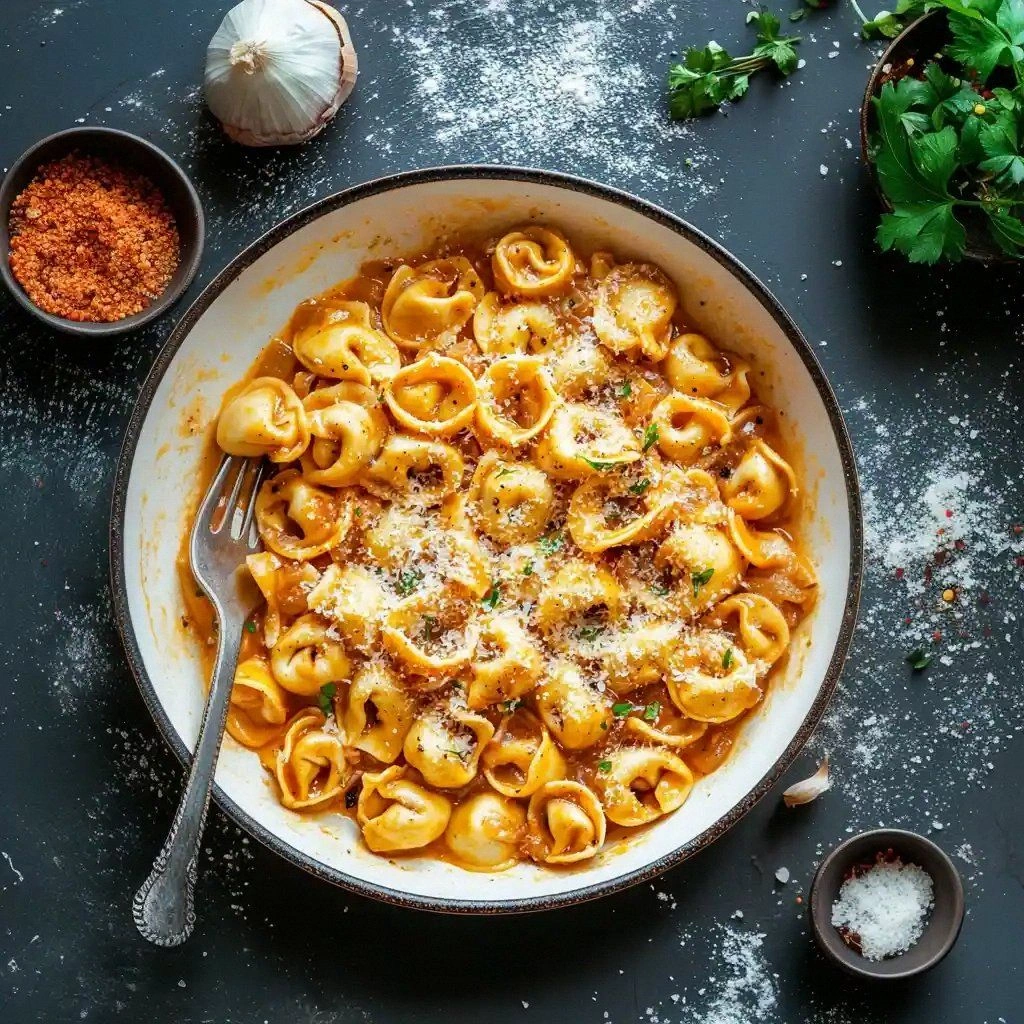
This version is not just another French onion tortellini; it’s a carefully balanced symphony of flavors, textures, and aromas that dance together in perfect harmony. The caramelized onions are the star, offering a sweet, slightly bitter undertone that lingers long after the first bite. The cheese blend of Gruyère and Parmesan creates a molten, velvety coating that clings to each tortellini, delivering a luxurious mouthfeel. The subtle herbaceous note from fresh thyme adds a whisper of earthiness, while the dry white wine cuts through the richness with a bright, citrusy lift. The result is a dish that feels indulgent yet surprisingly light, a rare combination that will leave you craving more.
What sets this recipe apart is a secret ingredient that most cooks overlook: a splash of dry white wine that not only enhances the flavor profile but also helps balance the sweetness of the onions. Combined with the precise timing of adding the flour to create a silky roux, the sauce achieves a thickness that clings to the pasta without becoming gummy. The final touch of fresh parsley adds a burst of color and a hint of freshness that lifts the entire dish. Together, these elements create a sauce that coats the pasta like velvet, while the crispy edges of the tortellini shatter like thin ice when you bite into them. It’s a texture contrast that’s pure magic.
Let me walk you through every single step—by the end, you'll wonder how you ever made it any other way. I dare you to taste this and not go back for seconds. This is hands down the best version you'll ever make at home. Stay with me here; this is worth it.
What Makes This Version Stand Out
- Flavor: The caramelization of onions creates a deep, sweet backbone that balances the savory broth. The addition of white wine adds brightness and depth, preventing the dish from feeling flat.
- Texture: The roux thickens the sauce to a silky consistency that clings to each tortellini without weighing them down. The cheese melt provides a gooey, decadent coating that contrasts with the crisp edges.
- Simplicity: Despite its sophisticated flavor, the recipe uses only a handful of pantry staples—no exotic ingredients or time-consuming techniques.
- Uniqueness: The combination of Gruyère and Parmesan is a game-changer, delivering a nutty, sharp profile that elevates the dish beyond ordinary French onion soup.
- Crowd Reaction: This dish is a guaranteed hit at dinner parties; guests rave about the melt-in-your-mouth cheese and the perfectly caramelized onions.
- Ingredient Quality: Using fresh thyme and high-quality butter makes a noticeable difference in the overall taste and aroma.
- Cooking Method: The slow, low-braise of onions ensures maximum flavor extraction without burning, a technique often missed in quick recipes.
- Make-Ahead Potential: The sauce can be prepared a day in advance and reheated, making it ideal for busy weeknights.
Alright, let's break down exactly what goes into this masterpiece. And now the fun part.
Inside the Ingredient List
The Flavor Base
The onions are the heart of this dish, and their flavor unlocks the entire sauce. They must be sliced thin and cooked slowly over low heat to develop that sweet, caramelized depth. If you skip the slow cooking step, the onions will remain raw and bitter, ruining the balance. Use a medium-sized skillet; this ensures even caramelization without crowding.
Butter provides a rich, creamy backdrop that enhances the onions' natural sweetness. It also helps the onions brown more evenly. If you use margarine or a lower-quality butter, the flavor will be flat and less satisfying. Look for a butter with a high butterfat content for maximum depth.
Olive oil is added to give the sauce a subtle fruity note and to keep the butter from burning. It also adds a layer of complexity that elevates the dish. If you’re allergic to olive oil, a neutral oil like grapeseed will work, but the flavor will change slightly.
The Texture Crew
All-purpose flour is the key to thickening the sauce into a silky, coatable consistency. It forms a roux with the butter and oil, binding the liquid components together. If you omit the flour, the sauce will be thin and watery, and the tortellini will sink.
Beef broth is the backbone of the sauce, providing savory depth and body. Choose a low-sodium broth if you plan to season the dish further. If you use chicken broth, the flavor will be lighter but still delicious.
Dry white wine adds brightness and a subtle acidity that cuts through the richness of the cheese. It also brings a fragrant, floral note that lifts the dish. If you’re not a fan of wine, a splash of apple cider vinegar can mimic the acidity.
The Unexpected Star
Fresh thyme leaves add a herbaceous nuance that balances the sweetness of the onions. Thyme’s earthy undertones complement the beef broth and cheese. If fresh thyme is unavailable, dried thyme works, but use half the amount to avoid overpowering the dish.
Gruyère cheese is a game-changer; its nutty, slightly sweet flavor creates a luxurious melt that coats the tortellini. The cheese’s high melting point ensures it stays smooth and glossy. If Gruyère is hard to find, a good-quality Swiss cheese can be used as a substitute.
The Final Flourish
Parmesan cheese adds a sharp, salty finish that balances the richness of the Gruyère. Its granular texture creates a subtle crunch when it melts. If you prefer a milder cheese, a blend of mozzarella and Parmesan can work, but the flavor profile will shift.
Fresh parsley provides a bright, herbal contrast that cuts through the richness of the sauce. It also adds a pop of color that makes the dish visually appealing. If you’re allergic to parsley, a pinch of dill or chives can replace it.
Everything’s prepped? Good. Let’s get into the real action.
The Method — Step by Step
- Begin by heating a large skillet over medium-low heat. Add the butter and olive oil, allowing the butter to melt completely. Stir in the sliced onions and a pinch of salt, which helps draw out moisture. Cook for about 25 minutes, stirring occasionally, until the onions are deeply caramelized and have turned a rich amber color. This slow process is the secret to unlocking maximum flavor.
- Once the onions are caramelized, sprinkle the flour over the mixture. Stir vigorously for 1-2 minutes to form a roux, ensuring there are no lumps. The flour will absorb the butter and oil, thickening the sauce. The aroma at this point should be nutty and inviting, signaling that you’re on the right track.
- Deglaze the pan with the dry white wine, scraping up any browned bits from the bottom. Let the wine reduce for 2-3 minutes until it’s almost evaporated, concentrating the flavor. This step adds a subtle acidity that balances the richness of the cheese and butter.
- Pour in the beef broth and stir to combine. Bring the mixture to a gentle simmer, allowing it to thicken slightly. Add the fresh thyme leaves and let the sauce bubble for an additional 5 minutes. The thyme infuses the broth, creating a fragrant base for the tortellini.
- Add the cheese blend—first the Gruyère, then the Parmesan—stirring until melted and smooth. The cheese should coat the back of a spoon, forming a glossy, velvety sauce. If the sauce becomes too thick, add a splash of broth or water to reach the desired consistency.
- Meanwhile, bring a large pot of salted water to a rolling boil. Cook the tortellini according to package instructions, usually 3-4 minutes for fresh or 5-6 minutes for dried. Drain the pasta, reserving a cup of pasta water for later. Toss the cooked tortellini into the sauce, ensuring every piece is coated.
- If the sauce is too thick, add a few tablespoons of reserved pasta water to loosen it. Stir in the chopped parsley for a burst of freshness and color. Taste and adjust seasoning with salt and freshly ground black pepper as needed. The dish should feel rich yet balanced.
- Serve immediately on warmed plates, sprinkling extra cheese on top if desired. The result is a comforting bowl of creamy, caramelized goodness that feels both indulgent and wholesome. Plate it with a side of crusty bread to soak up the extra sauce.
That’s it—you did it. But hold on, I've got a few more tricks that'll take this to another level. I dare you to taste this and not go back for seconds. This is hands down the best version you'll ever make at home.
Insider Tricks for Flawless Results
The Temperature Rule Nobody Follows
Maintaining a low heat while caramelizing onions is crucial. If the heat is too high, the onions will burn and develop a bitter taste. Use a heavy-bottomed pan and keep the flame at medium-low. Stir frequently to ensure even browning. The result is a golden, sweet flavor that forms the foundation of the sauce.
Why Your Nose Knows Best
The aroma of onions caramelizing is a reliable indicator of progress. When the smell becomes nutty and sweet, the onions are ready. If the scent is raw or metallic, the onions need more time. Trust your nose; it’s a seasoned chef’s secret.
The 5-Minute Rest That Changes Everything
After adding the cheese, let the sauce rest for five minutes before serving. This pause allows the cheese to fully melt and integrate, creating a smoother texture. It also gives the flavors time to meld. The dish tastes richer and more cohesive after this brief rest.
The Cheese Ratio Revelation
Using a 50/50 ratio of Gruyère to Parmesan balances creaminess with sharpness. Gruyère provides a nutty melt, while Parmesan adds a salty finish. If you prefer a milder cheese, reduce the Parmesan by half. The dish will still be delicious, but the depth will change.
The Pasta Water Trick
Reserve a cup of pasta water before draining. This starchy liquid helps bind the sauce to the tortellini. If the sauce is too thick, add a splash of pasta water. It loosens the sauce while maintaining a silky consistency.
Creative Twists and Variations
This recipe is a playground. Here are some of my favorite ways to switch things up:
Smoky Chipotle Twist
Add a teaspoon of chipotle powder to the sauce for a smoky depth. The heat from the chipotle balances the sweetness of the onions. It pairs well with a side of cornbread. This version is perfect for a spicy dinner party.
Herb Garden Edition
Replace fresh thyme with a mix of rosemary, sage, and oregano. The herb blend creates a Mediterranean vibe. Use a splash of lemon zest for brightness. This variation feels light and fresh.
Vegetarian Vibe
Omit the beef broth and use vegetable broth instead. Add sautéed mushrooms for umami. The dish remains hearty and flavorful. It’s a great option for plant-based diners.
Cheese Swap Surprise
Swap Gruyère for aged cheddar for a sharper, more robust flavor. Keep Parmesan to balance the sharpness. The cheddar melts beautifully, creating a gooey coating. This version is a crowd-pleaser at game nights.
Pesto Power
Stir in a couple of tablespoons of basil pesto after the cheese has melted. The pesto adds a fresh, green note. It also thickens the sauce slightly. This variation feels like a springtime pasta.
Seafood Splash
Add shrimp or scallops to the sauce during the last minute of cooking. The seafood absorbs the caramelized flavors. Serve immediately for a luxurious seafood pasta. This version is perfect for a special occasion.
Storing and Bringing It Back to Life
Fridge Storage
Store leftovers in an airtight container for up to 3 days in the refrigerator. The sauce thickens as it cools, so add a splash of broth or water when reheating. Reheat gently over low heat, stirring frequently. The dish regains its silky texture and flavor.
Freezer Friendly
Freeze the sauce and pasta separately for up to 2 months. When ready to eat, thaw the sauce in the refrigerator overnight. Reheat the pasta in boiling water for 2 minutes, then toss with the warmed sauce. This method preserves the sauce’s richness.
Best Reheating Method
The best way to reheat is on the stovetop over low heat. Add a tiny splash of water or broth to keep the sauce from drying out. Stir until the sauce is smooth and heated through. The dish will taste as good as new.