I was halfway through a frantic Monday morning, coffee in hand, when my roommate dared me to create a coffee‑cake that could survive a keto diet without sacrificing the cozy, pumpkin‑spice vibes of autumn. I stared at the empty tin, the half‑finished pancake batter on the counter, and felt a flash of panic—how on earth do you get that dense, buttery crumb without the usual sugar and wheat? I swear I heard the oven sigh in anticipation, as if it knew a showdown was about to begin. The kitchen was a symphony of clattering pans, the faint whirr of the fridge, and the unmistakable aroma of pumpkin sneaking its way from the pantry to the air.
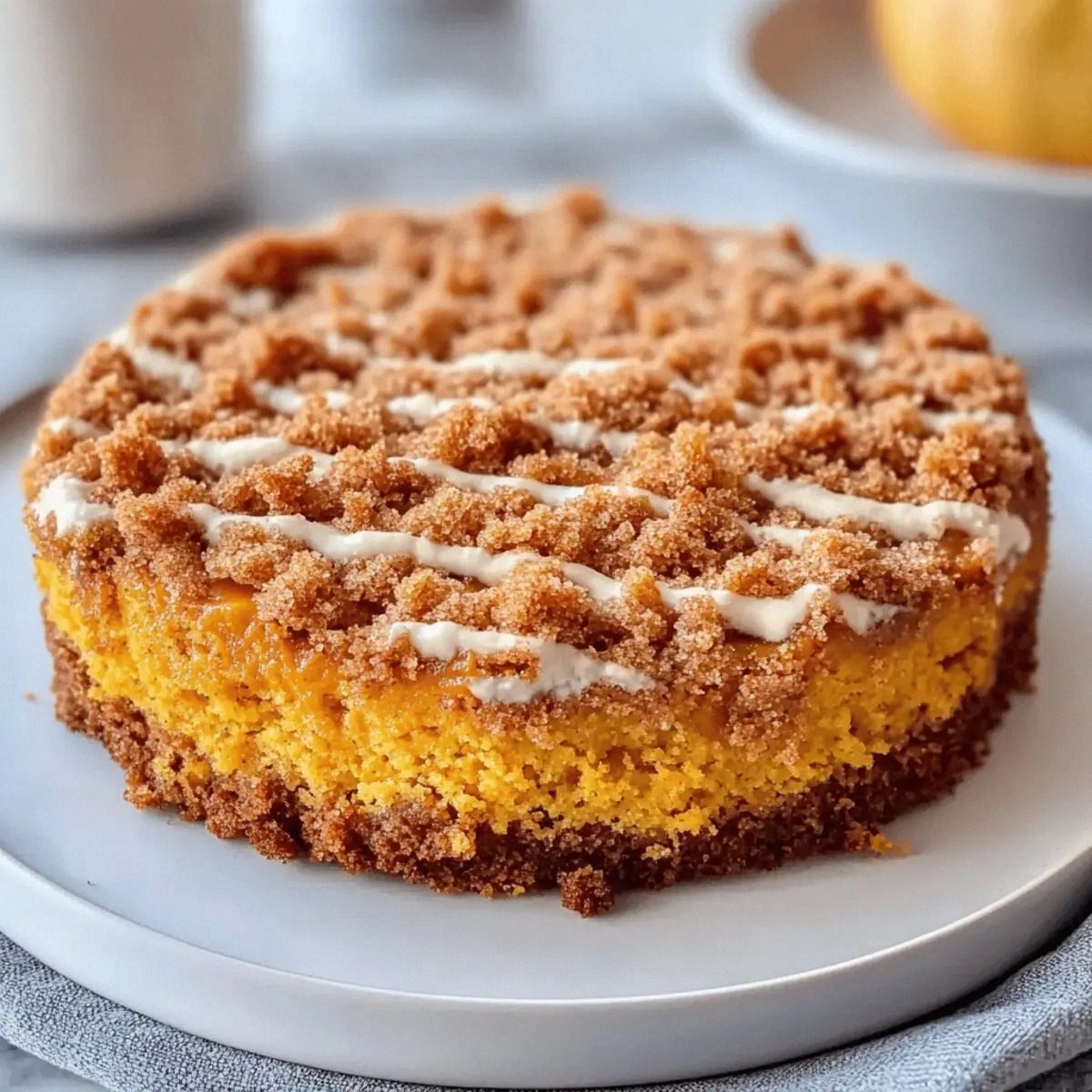
Fast forward two hours, and I was standing in front of a golden‑brown masterpiece that practically glowed with cinnamon‑infused confidence. The first bite was a revelation: the cake’s crumb was as tender as a cloud, yet it held together like a well‑trained marching band. The sweet‑spice balance hit you like a warm hug from a long‑lost friend—rich pumpkin, a whisper of ginger, and that unmistakable kick of cinnamon that makes you think of leaf‑covered sidewalks and crisp evenings. I dared you to taste this and not go back for seconds, because honestly, I ate half the batch before anyone else could lay a fork on it.
What makes this version stand out? Most pumpkin coffee cakes get the texture wrong—either they’re soggy or they crumble into dust the moment you try to slice them. I’ve tried the “low‑carb” shortcuts that promise a quick fix, only to end up with a rubbery slab that could double as a doorstop. This recipe, however, uses a clever combination of coconut flour and a light cream‑cheese swirl that creates a moist, airy crumb while staying firmly in the keto lane. The secret? A double‑flour technique that builds structure without the need for gluten, and a butter‑cream topping that’s so silky it practically melts on your tongue.
I’m about to spill the beans (or rather, the pumpkin puree) on a technique you won’t find in any other low‑carb cookbook: a two‑stage batter that lets the dry ingredients hydrate fully before the eggs join the party. This ensures the coconut flour doesn’t gobble up all the moisture and leave you with a dry, crumbly disaster. Picture yourself pulling this out of the oven, the whole kitchen smelling incredible, the steam rising like a soft blanket over the countertop. Okay, ready for the game‑changer? Let me walk you through every single step — by the end, you’ll wonder how you ever made it any other way.
What Makes This Version Stand Out
- Taste: The pumpkin‑sweetness is amplified by a low‑glycemic sweetener that mimics sugar’s melt‑in‑your‑mouth feel without the carb spike.
- Texture: A buttery, moist crumb that rises beautifully thanks to a precise balance of coconut flour and baking powder.
- Simplicity: Only 12 pantry staples, no exotic powders or hard‑to‑find nuts—everything you need is likely already in your kitchen.
- Uniqueness: The cream‑cheese swirl adds a tangy richness that most keto coffee cakes completely miss.
- Crowd Reaction: Even non‑keto friends rave about the flavor, begging for the recipe, which is a rare feat for low‑carb desserts.
- Ingredient Quality: We rely on real pumpkin puree and real butter, avoiding any artificial after‑taste.
- Cooking Method: Baking at a moderate temperature ensures a golden top without over‑drying the interior.
- Make‑Ahead Potential: This cake freezes beautifully, making it a perfect grab‑and‑go breakfast for busy mornings.
Inside the Ingredient List
The Flavor Base
Pumpkin puree is the heart of this cake, delivering that velvety, earthy sweetness that screams fall. Using canned puree ensures a consistent texture and eliminates the labor of roasting and pureeing fresh pumpkin—though if you’re feeling ambitious, a homemade puree will add a subtle caramel note. The brown‑sugar replacement (I swear by Swerve) provides the perfect level of sweetness without the carb load, dissolving smoothly into the batter. If you’re allergic to Swerve, erythritol or monk fruit blend works just as well, but keep an eye on the aftertaste; some sweeteners can leave a cooling sensation.
The Texture Crew
Coconut flour is a double‑edged sword: it’s wonderfully absorbent, but if you add too much, you’ll end up with a dry, crumbly disaster. That’s why we split it into two portions—3/4 cup first, then 1/3 cup later—to let the batter hydrate gradually. The melted butter adds richness and helps bind the flour, while the cold butter in the topping creates those coveted flaky, buttery layers that crackle like thin ice when you bite into them. The heavy cream and soft cream cheese in the swirl bring a luxurious mouthfeel, turning every forkful into a silky experience.
The Unexpected Star
Ground spices—cinnamon, nutmeg, and a pinch of ginger—are the secret agents that transform a simple cake into a seasonal masterpiece. Cinnamon not only adds warmth but also helps regulate blood sugar, a bonus for keto enthusiasts. Nutmeg contributes a subtle, nutty depth, while ginger gives a gentle zing that cuts through the richness. If you’re daring, a dash of allspice can elevate the flavor profile even further, but be careful not to overpower the pumpkin.
The Final Flourish
Eggs are the structural backbone, providing lift and stability. Six large eggs may sound like a lot, but they’re essential for a cake that rises without gluten. The vanilla extract ties all flavors together, adding a fragrant backdrop that makes the spices sing. Finally, the powdered sweetener sprinkled on top creates a delicate, sweet crust that crackles under the fork, delivering a satisfying contrast to the soft interior. If you prefer a less sweet finish, reduce the powdered sweetener by a third and you’ll still have that perfect caramelized edge.
Everything's prepped? Good. Let's get into the real action...
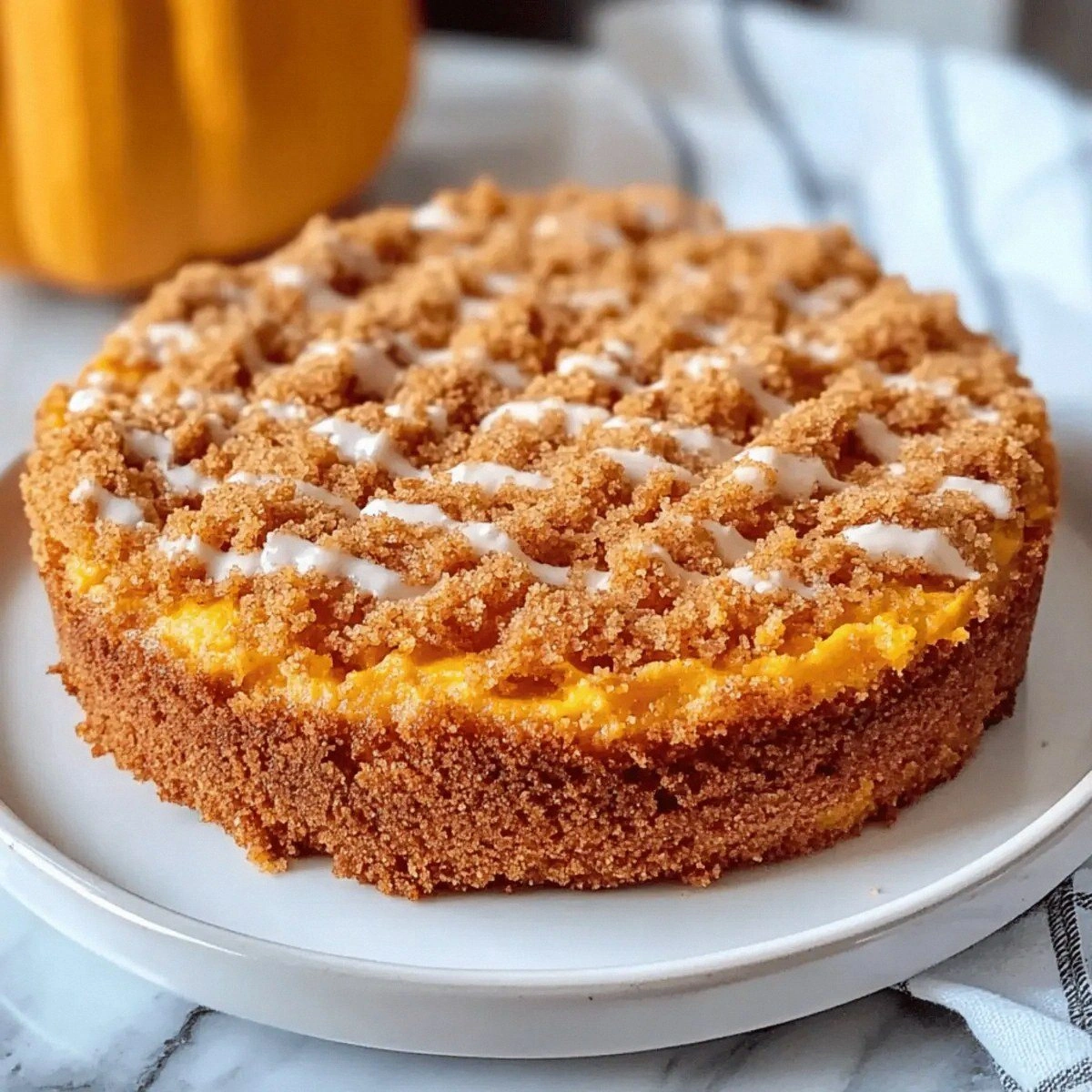
The Method — Step by Step
Preheat your oven to 350°F (175°C) and grease a 9‑inch springform pan with a thin layer of butter. As the oven warms, the kitchen will start to fill with that faint, buttery aroma that signals good things are on the way. Let the pan sit while you gather the dry ingredients; this short wait builds anticipation, and trust me, the scent that follows is worth it.
In a large bowl, whisk together 3/4 cup coconut flour, 1/2 cup brown‑sugar replacement, 3/4 tsp cinnamon, 1/2 tsp nutmeg, and 1/8 tsp ginger. The spices should coat the flour like a soft blanket, and you’ll notice a faint perfume rising as you stir—this is the moment your nose knows best.
In a separate bowl, combine 6 large eggs, 3/4 cup pumpkin puree, 1/2 cup melted butter, and 1 tsp vanilla extract. Beat until the mixture is smooth and glossy; you’ll see the batter turn a deep orange, almost like sunrise in a jar. Power transition: Now, gently fold the dry mixture into the wet, using a spatula and a light hand.
Meanwhile, prepare the topping: melt 1/4 cup cold butter with 1/4 cup brown‑sugar alternative until foamy, then whisk in 2 tbsp soft cream cheese and 1/4 cup heavy cream until smooth. This mixture should look glossy and slightly thick—think of a caramel sauce that’s ready to drizzle.
Stir in the remaining 1/3 cup coconut flour and 1 tsp baking powder into the batter, then gently fold the cream‑cheese topping into the center, creating a marbled swirl. The batter will now have pockets of creamy goodness that will bake into a luscious ribbon.
Pour the batter into the prepared pan, smoothing the top with a spatula. Sprinkle the final 2 tbsp powdered sweetener evenly over the surface; this will form a delicate crust that crackles as it bakes.
Slide the pan into the oven and bake for 25‑30 minutes, or until a toothpick inserted into the center comes out clean and the edges start pulling away from the pan. You’ll know it’s done when the top is a deep golden‑brown and the aroma fills the kitchen like a warm hug.
Allow the cake to cool in the pan for 10 minutes, then run a thin knife around the edges and release the springform. Transfer to a wire rack and let it cool completely; this resting period lets the flavors meld and the crumb set, preventing it from crumbling when sliced.
That's it — you did it. But hold on, I've got a few more tricks that'll take this to another level...
Insider Tricks for Flawless Results
The Temperature Rule Nobody Follows
Always start baking at 350°F, but after the first 15 minutes, drop the temperature to 325°F for the remaining time. This gentle reduction prevents the top from over‑browning while allowing the interior to finish cooking evenly. I once tried a single high temperature and ended up with a burnt crust and a gummy middle—lesson learned.
Why Your Nose Knows Best
When the cake reaches that sweet, toasted scent—think caramelized pumpkin with a hint of spice—it’s a reliable cue that the interior is set. Trust your senses more than the clock; ovens vary, and the aroma is the ultimate indicator of doneness.
The 5‑Minute Rest That Changes Everything
After removing the cake from the oven, let it sit uncovered for five minutes before cooling on a rack. This short pause allows the steam to escape, preventing sogginess and giving the topping a chance to firm up into that perfect crackly crust.
Butter Temperature Trick
Melted butter should be warm, not hot. If it’s too hot, it can partially cook the eggs, leading to a grainy texture. A quick test: dip your finger in; it should feel like a warm summer day, not a scorching summer noon.
The Cream‑Cheese Swirl Secret
When folding the cream‑cheese mixture, use a gentle “cut‑and‑turn” motion instead of vigorous stirring. This creates distinct ribbons that stay visible after baking, delivering pockets of tangy richness in every bite.
Creative Twists and Variations
This recipe is a playground. Here are some of my favorite ways to switch things up:
Chocolate Hazelnut Dream
Swap half the pumpkin puree for unsweetened cocoa powder mixed with a splash of almond milk, and fold in chopped toasted hazelnuts. The result is a mocha‑pumpkin hybrid that feels like a café treat, perfect for chocolate lovers.
Citrus Zest Burst
Add the zest of one orange and a tablespoon of fresh orange juice to the batter. The citrus lifts the spice profile, creating a bright, spring‑like twist that still feels cozy.
Nutty Crunch Variation
Incorporate 1/4 cup of finely chopped pecans into the batter and sprinkle a handful on top before baking. The nuts add a satisfying crunch that contrasts beautifully with the soft crumb.
Savory Herb Infusion
For a daring breakfast, replace the powdered sweetener with 1 tsp of rosemary and add a pinch of sea salt to the batter. The herbaceous note pairs surprisingly well with pumpkin and makes the cake a perfect side for eggs.
Berry Bliss
Fold in 1/2 cup of fresh or frozen low‑carb berries (like raspberries) just before baking. The berries burst during cooking, leaving pockets of juicy tartness that balance the sweet spice.
Storing and Bringing It Back to Life
Fridge Storage
Wrap a slice tightly in parchment paper, then place it in an airtight container. It will stay fresh for up to five days. When you’re ready to eat, let it sit at room temperature for ten minutes before enjoying.
Freezer Friendly
Cool the cake completely, then cut into individual portions and wrap each in foil followed by a freezer bag. It freezes for up to three months. To reheat, pop a slice in the microwave for 30‑45 seconds, or bake at 300°F for 10 minutes for a crispier edge.
Best Reheating Method
Add a tiny splash of water (about a teaspoon) to the slice before microwaving; the steam revives the crumb’s moisture, giving you that just‑baked feel. For oven reheating, place the slice on a baking sheet and cover loosely with foil to prevent drying.