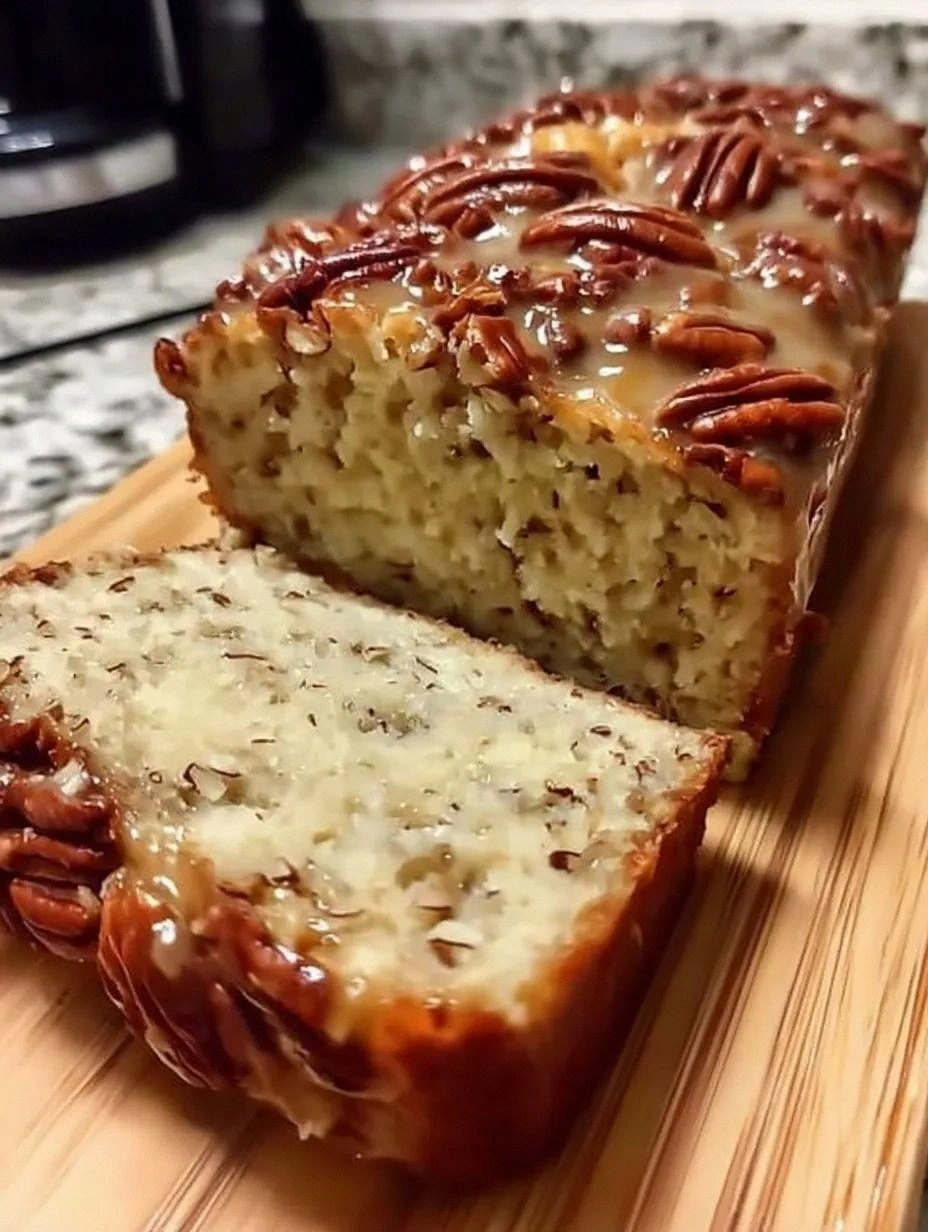
Love this? Pin it for later! 📌
I still remember the first time I tasted a truly transcendent lemon pound cake. It was at my grandmother’s springtime garden party—white linens fluttering in the breeze, the faint hum of bees, and this golden-crusted loaf sitting on a cut-glass pedestal like a crown jewel. One slice and the world slowed: the crumb was silk, the lemon bright enough to make my lips tingle, and the glaze crackled under my fork like thin ice before melting into a puddle of sunshine on my plate. Guests who claimed they were “too full for dessert” suddenly found room, and by the end of the afternoon three loaves had vanished, leaving only a smattering of zest on the platter.
That memory haunted my own kitchen for years. I tried dozens of recipes—some oily, others dry, a few that tasted like lemon furniture polish. None captured the magic. So I did what any reasonable baking addict does: I locked myself in the kitchen for an entire spring, testing ratios, temperatures, and techniques until I landed on this one. The result is a pound cake so tender it bends rather than breaks, so fragrant it perfumes the whole house, and so perfectly balanced between buttery richness and citrus sparkle that it feels like edible sunshine. Whether you bake it for Easter brunch, a summer bridal shower, or a random Tuesday that needs brightening, it will become the recipe people beg you to bring.
Why This Recipe Works
- Cream-cheese magic: A modest dose of cream cheese adds tang, stabilizes the crumb, and keeps the cake moist for days.
- Triple-lemon punch: We zest, juice, and glaze with fresh lemon for layers of flavor that bloom rather than fade.
- Cold-oven start: Beginning in a cool oven gently sets the batter, yielding an ultra-flat top and velvety interior.
- Powdered-sugar sift: Using powdered instead of granulated sugar eliminates air pockets for a tighter, melt-away crumb.
- Butter & oil duo: Butter for flavor, a splash of neutral oil for cloud-like moisture that lasts well past day one.
- Weighted glaze: A 3:1 sugar-to-lemon ratio creates a opaque blanket that crackles yet soaks slightly in for chew.
Ingredients You'll Need
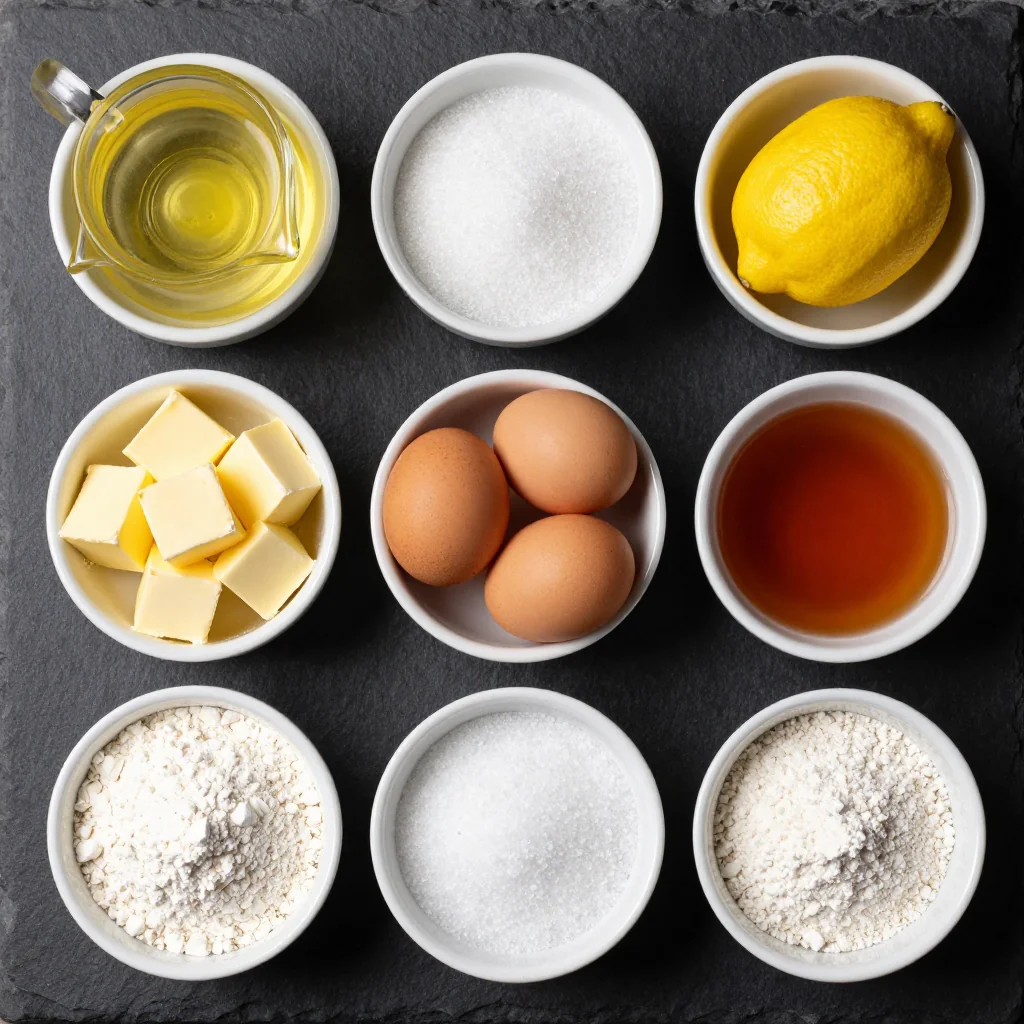
Great lemon pound cake starts with supermarket discernment. Buy plump, glossy-skinned lemons that feel heavy for their size—those have the thinnest peels and the most oil-rich zest. When you scrape the zest, only the yellow outer layer; the white pith reads bitter. For butter, splurge on European-style (82–84 % fat) for added silk. Cream cheese should be full-fat and softened until you can gently press a finger through; cold cream cheese leaves undissolved flecks. Cake flour yields the most delicate crumb, but in a pinch you can DIY by replacing two tablespoons of all-purpose with cornstarch per cup and sifting twice. Finally, keep the eggs and dairy at true room temperature (about 70 °F/21 °C) so they emulsify without curdling.
How to Make Melt in Your Mouth Lemon Pound Cake with Glaze
Prep the Pan & Oven
Thoroughly grease a 12-cup non-stick Bundt pan with softened butter, then dust with superfine sugar (not flour) tapping out excess. The sugar creates a micro-crust that helps the cake release like velvet. Leave the oven OFF for now—we’ll start cold.
Cream Butter, Cheese & Sugar
In a stand mixer fitted with the paddle, beat 1 cup (225 g) unsalted butter, 4 oz (113 g) cream cheese, and 2 ¼ cups (270 g) powdered sugar on medium for 5 full minutes. Pause to scrape. You want the mixture to lighten to butter-yellow whipped cream; this coats proteins and prevents gluten formation.
Season with Aromatics
Add 1 Tbsp finely grated lemon zest, ½ tsp kosher salt, and 1 ½ tsp pure vanilla. Beat 30 seconds more. The salt sharpens lemon perception and balances sweetness; vanilla rounds harsh citrus edges.
Stream in Eggs Slowly
With mixer on medium-low, add 4 large eggs one at a time, letting each disappear before the next. Follow with 2 egg yolks. Slow addition prevents the fat from breaking and keeps the batter silken.
Alternate Dry & Wet
Whisk 2 ½ cups (300 g) cake flour and 1 tsp baking powder. Separately combine 3 Tbsp fresh lemon juice and ¼ cup (60 ml) whole milk. On low, add flour in three additions, alternating with juice-milk in two, beginning and ending with flour. Mix just until the last flecks vanish.
Fold for Insurance
Remove bowl from mixer. Using a large flexible spatula, give the batter 4 or 5 gentle folds from bottom to top to catch hidden flour pockets without deflating. Batter should be thick, glossy, and pourable like satin ribbon.
Fill & Level
Spoon batter into prepared pan, pressing lightly to expel air. Smooth top with offset spatula then rap pan firmly on a towel-covered counter half a dozen times. This settles the crumb so you don’t get a tunnel.
Cold-Oven Bake
Place pan on center rack, shut door, THEN set oven to 300 °F (150 °C). Bake 70-80 minutes, rotating at 45 min, until cake pulls slightly from sides, top springs back, and skewer emerges with a few moist crumbs. The gradual rise sets exterior while interior stays plush.
Cool & Unmold
Let cake rest 15 min on rack; this steams the pan’s detail. Invert onto serving plate; it should slide out like a dream. Cool completely, at least 2 hours, before glazing so sugar doesn’t melt into a syrup.
Glaze & Set
Whisk 1 ½ cups (180 g) powdered sugar with 3–4 Tbsp fresh lemon juice until thick but pourable. Spoon over crown, nudging drips so they cascade. Let set 20 min for that bakery window finish.
Expert Tips
Microplane, Not Zester
A microplane grates zest so fine it disperses flavor evenly without bitter strips.
Weigh for Consistency
Volume cups compress; grams never lie. A $20 scale guarantees identical results every bake.
Don’t Overbake
Carry-over heat finishes centers. Pull when a few crumbs cling; they’ll finish as it cools.
Fluted vs. Loaf
A Bundt’s ridges increase surface area for glaze; a loaf pan halves bake time—adjust accordingly.
Freeze First
Tight-wrap cooled cake, freeze 1 hr before glazing; the chill prevents sugar soak-in for a photo-ready sheen.
Lemon Oil Boost
Add ¼ tsp natural lemon oil with zest for perfume that survives heat without fading.
Variations to Try
- Lavender-Lemon: Steep 1 tsp culinary lavender in melted butter 10 min, strain, cool, proceed as written for Provencal flair.
- Raspberry Ribbon: After filling pan, swirl ⅓ cup seedless raspberry jam through batter with skewer for marbled contrast.
- Coconut-Lemon: Swap milk for canned coconut milk and dust finished cake with toasted coconut flakes.
- Gluten-Free: Replace cake flour with 2 ½ cups high-quality 1:1 GF flour plus ½ tsp xanthan gum; rest batter 15 min before baking to hydrate starches.
- Mini Loaves: Divide among 5 mini-loaf pans, start checking doneness at 35 min—perfect for gifting.
Storage Tips
Room-temperature cake stays moist under a cake dome or tightly wrapped in plastic up to 4 days—flavors actually meld and intensify by day two. For longer storage, double-wrap slices (so they don’t absorb freezer odors) and freeze up to 3 months. Thaw overnight in fridge then 30 min at room temp before serving. If you need to refrigerate due to hot climates, bring to room temperature 2 hours before eating; cold fat congeals and dulls flavor. Glaze keeps its crunch best when applied after thawing.
Frequently Asked Questions
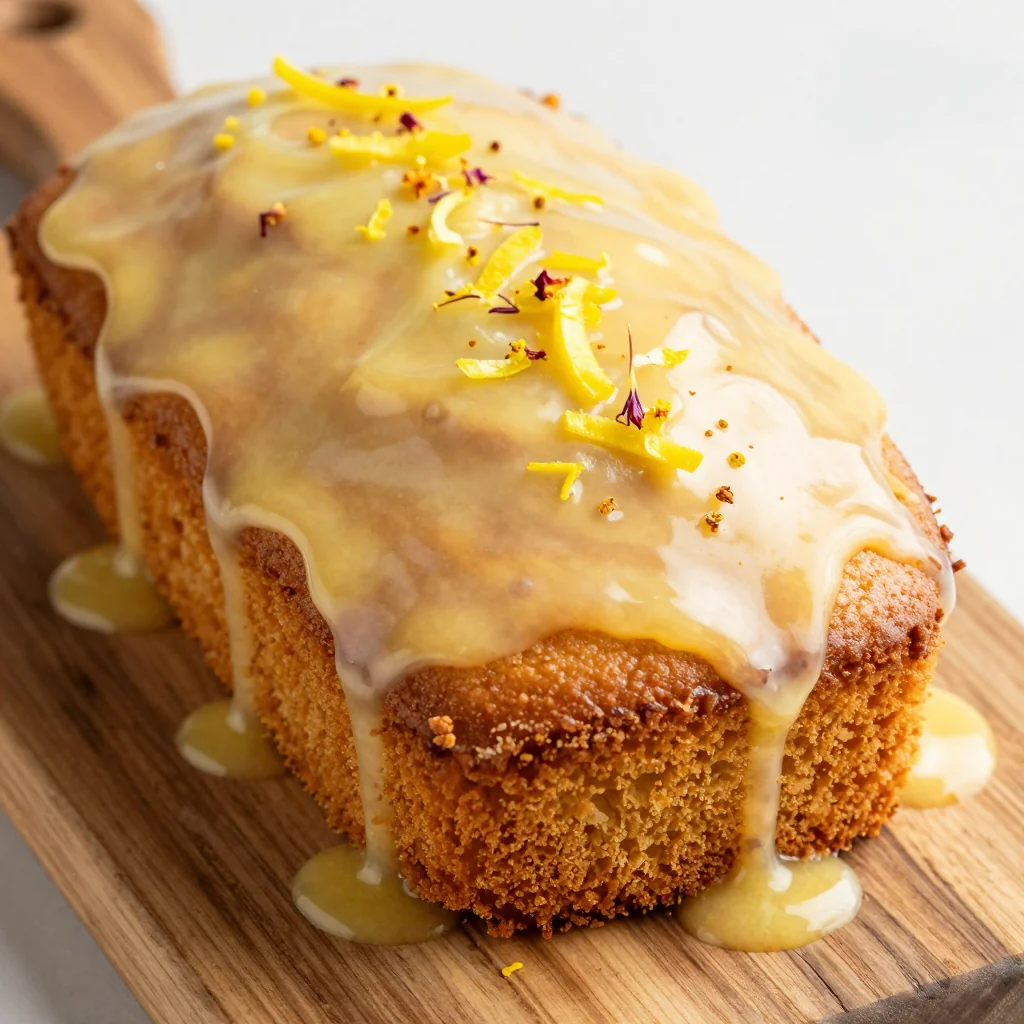
Melt in Your Mouth Lemon Pound Cake with Glaze
Ingredients
Instructions
- Prep: Grease a 12-cup Bundt with butter, dust with superfine sugar, tap out excess. Leave oven off.
- Cream Base: Beat butter, cream cheese, and powdered sugar 5 min until light and fluffy.
- Flavor: Mix in zest, salt, and vanilla.
- Eggs: Beat in whole eggs and yolks one at a time on medium-low.
- Dry/Wet: Whisk flour and baking powder. Combine lemon juice and milk. Alternate flour and juice-milk to batter, beginning and ending with flour.
- Fill: Spread batter into pan, level, rap to settle.
- Bake: Place in cold oven; set to 300 °F (150 °C). Bake 70–80 min until skewer tests clean.
- Cool: Rest 15 min, invert, cool completely.
- Glaze: Whisk powdered sugar with enough lemon juice for thick pourable consistency; spoon over cake. Let set 20 min before slicing.
Recipe Notes
Cake tastes even better on day two. Store airtight at room temp up to 4 days or freeze slices up to 3 months.