I remember the night I tried to impress my roommate with a “quick” lasagna, only to end up with a soggy, flavorless mess that looked like it had been baked by a toddler. The kitchen was a chaotic swirl of crushed tomatoes, raw onions, and a pot of boiling water that sputtered like a dying engine. I stared at the plate, realizing I had forgotten the secret sauce that turns an ordinary dish into a masterpiece. That moment sparked a culinary quest that led me to the Million Dollar Italian Lasagna—a recipe that not only salvages a kitchen disaster but elevates it to a level that makes every bite feel like a triumph.
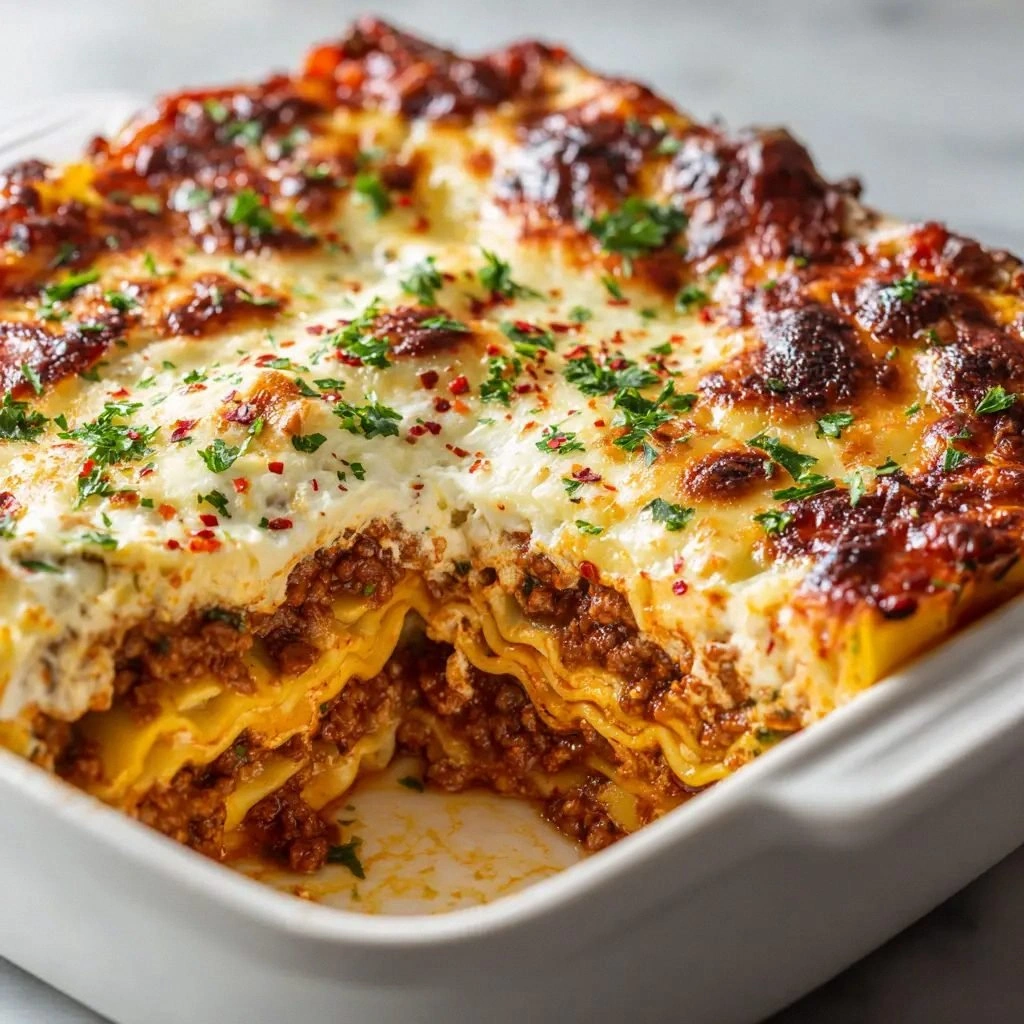
Picture this: the air fills with the intoxicating aroma of simmering tomatoes, garlic, and onions, each scent layering into a symphony that hints at the richness to come. The sound of the sauce gently bubbling is like a lullaby, soothing the nerves of anyone who has ever tried to master lasagna. The sight of the noodles, perfectly al dente, glistening with a touch of olive oil, promises a texture that is both firm and forgiving. When you take your first forkful, the sauce coats the pasta like velvet, the cheese melts into a creamy ribbon, and the pepper flakes add a subtle heat that lingers. The final touch is the golden crust—crispy edges that shatter like thin ice, revealing a molten center that oozes with savory bliss.
What sets this version apart is not just the layers of cheese and meat, but the meticulous balance of flavors and textures that work in harmony. I dare you to taste this and not go back for seconds, because once you experience the depth of this sauce and the melt of the cheeses, you’ll never settle for anything less. This recipe is hands down the best version you'll ever make at home, and I’ve poured every ounce of my culinary obsession into each step. From the choice of wavy noodles that hold sauce better, to the precise blend of ricotta and egg that creates a silky filling, each detail has been honed to perfection. The result is a dish that feels like a luxurious indulgence, yet is accessible enough to whip up on a weekday.
If you’ve ever struggled with lasagna—whether it’s uneven cooking, bland sauce, or a greasy finish—this recipe is your salvation. I’ve taken the time to dissect every element, revealing the why behind each ingredient and technique. The secret is not in fancy equipment, but in the right timing, the right ratios, and a few clever hacks that transform the ordinary into the extraordinary. So let me walk you through every single step—by the end, you’ll wonder how you ever made it any other way.
What Makes This Version Stand Out
- Flavor: The sauce is a layered symphony—tomato, garlic, onion, and a hint of red pepper flakes create depth that lingers long after the last bite.
- Texture: Wavy lasagna noodles cling to the sauce, while the ricotta‑egg mixture adds a silky, custard‑like consistency that balances the chewiness of the pasta.
- Cheese Harmony: A triumvirate of mozzarella, ricotta, and parmesan melts into a golden, bubbly crust that offers a satisfying crunch.
- Simplicity: Despite the layers, the method takes less than an hour, making it ideal for busy nights without sacrificing flavor.
- Make‑Ahead: Assemble the lasagna the night before and refrigerate; it’s a breeze to bake in the morning, saving precious time.
- Ingredient Quality: Using fresh, high‑quality ingredients—like a good olive oil and freshly ground pepper—elevates the dish from good to unforgettable.
- Crowd‑Pleaser: This lasagna is guaranteed to impress family and friends alike; it’s the kind of dish that turns an ordinary dinner into an event.
- Versatility: The recipe can be tweaked for dietary preferences—swap ground beef for turkey, add spinach for extra greens, or use gluten‑free noodles.
Alright, let's break down exactly what goes into this masterpiece...
Inside the Ingredient List
The Flavor Base
The foundation of this lasagna is the sauce, a rich blend of crushed tomatoes, tomato paste, and a splash of olive oil. The tomato paste adds depth and a subtle sweetness that balances the acidity of the tomatoes. Adding a pinch of sugar can help mellow the tartness if your tomatoes are particularly sharp. If you’re craving a smoky note, a dash of smoked paprika or a few drops of balsamic vinegar can elevate the flavor profile.
The Texture Crew
The wavy lasagna noodles are chosen for their ability to hold sauce; their ridges act like tiny cups that cradle each spoonful of sauce. Boil them until just al dente—overcooked noodles will become mushy once baked. If you’re short on time, you can use no‑boil noodles, but the texture will differ. For a gluten‑free version, substitute with a high‑protein gluten‑free noodle that behaves similarly.
The Unexpected Star
Ricotta cheese is the secret to that silky, custard‑like filling that melts beautifully with the egg. The egg acts as a binder, ensuring the ricotta mixture stays together while baking. If you’re dairy‑sensitive, try a blend of cottage cheese and a splash of milk to mimic the same texture. The fresh parsley adds a bright, herbal note that cuts through the richness.
The Final Flourish
Mozzarella and parmesan are the crowning jewels that melt into a golden crust. The mozzarella provides gooeyness, while the parmesan adds a nutty, salty finish. Sprinkle a thin layer of parmesan on top before baking for an extra crispy edge. If you prefer a milder cheese, reduce the amount of parmesan slightly, but keep the mozzarella for that melt.
Everything's prepped? Good. Let's get into the real action...
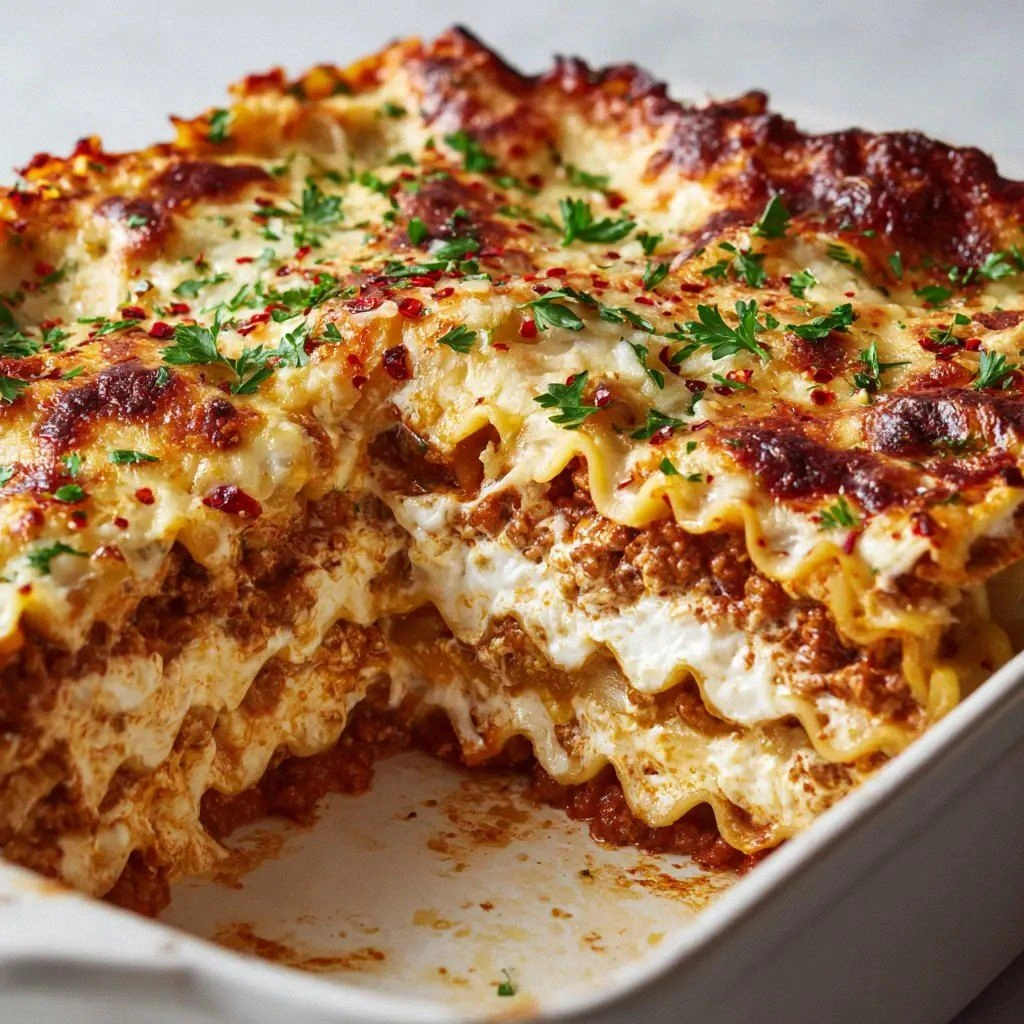
The Method — Step by Step
- Prep the Sauce: In a large skillet, heat the olive oil over medium heat. Add the diced onion and minced garlic, sautéing until the onion turns translucent and the garlic is fragrant—about 3–4 minutes. Stir in the crushed tomatoes and tomato paste, letting the mixture simmer for 15 minutes to allow the flavors to meld. Season with salt, pepper, and red pepper flakes, tasting as you go to ensure a balanced acidity.
- Cook the Meat: While the sauce simmers, bring a large pot of salted water to a boil. Add the lasagna noodles, cooking until they are just al dente—usually 8–10 minutes, depending on thickness. Drain the noodles, then rinse briefly under cold water to stop the cooking process and keep them from sticking together. Set aside on a clean towel.
- Prepare the Ricotta Mixture: In a mixing bowl, combine the ricotta cheese, egg, half of the grated parmesan, and parsley. Whisk until smooth, ensuring there are no lumps. This creamy layer will provide a silky contrast to the hearty meat sauce.
- Assemble the Lasagna: Spread a thin layer of meat sauce at the bottom of a 9x13 inch baking dish. Place a layer of noodles over the sauce, breaking them as needed to fit the dish. Spread a generous layer of the ricotta mixture over the noodles, then sprinkle a third of the mozzarella. Repeat the layers—sauce, noodles, ricotta, mozzarella—until all components are used, finishing with a final layer of sauce topped with the remaining mozzarella and parmesan.
- Cover and Bake: Cover the dish tightly with aluminum foil, ensuring the foil does not touch the cheese. Bake in a preheated oven at 375°F (190°C) for 25 minutes. After 25 minutes, remove the foil and continue baking for another 15–20 minutes until the top is golden brown and bubbling.
- Let It Rest: Remove the lasagna from the oven and let it rest, covered, for 10 minutes. This resting period allows the layers to set, making slicing easier and preventing a runny mess.
- Serve: Use a sharp knife to cut the lasagna into neat squares. Garnish each serving with a sprinkle of fresh parsley or a drizzle of olive oil for an extra touch of elegance.
- Enjoy: Plate the lasagna while it’s still warm, and watch as the steam curls in the air. This is the moment of truth—your creation is ready to wow the crowd.
That's it — you did it. But hold on, I've got a few more tricks that'll take this to another level...
Insider Tricks for Flawless Results
The Temperature Rule Nobody Follows
Many cooks bake lasagna at 350°F, but that can cause the top to brown too quickly while the interior remains undercooked. Baking at 375°F ensures even cooking, with a golden crust that’s crisp yet not burnt. If your oven runs hot, lower the temperature by 25°F and add a few extra minutes to the baking time.
Why Your Nose Knows Best
Before covering the dish, give it a quick sniff. A faint, sweet aroma indicates the sauce is ready; a strong, raw smell means you need more simmering time. Your nose is a reliable gauge for doneness, saving you from overcooked or underseasoned lasagna.
The 5-Minute Rest That Changes Everything
After baking, let the lasagna rest for exactly 5 minutes before cutting. This short period allows the cheeses to set, making slicing cleaner and preventing a gooey mess. If you’re serving immediately, you can cut into the lasagna and serve—just be prepared for a slightly runnier bite.
The Secret Layering Technique
When layering, start with a thin sauce base to keep the noodles from drying out. Then alternate between noodles, ricotta mixture, and sauce. This method ensures each bite has a balanced proportion of sauce, cheese, and pasta.
The No‑Boil Option
If you’re pressed for time, pre‑cooked no‑boil noodles can be used. Add a splash of water or broth to the sauce to keep the noodles moist. This shortcut doesn’t compromise flavor, though the texture will be slightly softer.
Creative Twists and Variations
This recipe is a playground. Here are some of my favorite ways to switch things up:
Spinach & Mushroom Medley
Sauté fresh spinach and sliced mushrooms with garlic before adding to the sauce. This adds earthiness and a pop of green, making the dish more vibrant and nutritious.
Italian Sausage Swap
Replace ground beef with Italian sausage for a spicier, more aromatic flavor. Remove the casing before cooking to ensure even distribution of spices throughout the sauce.
White Sauce Layer
Add a béchamel layer between the ricotta and mozzarella for a silky, creamy texture. This white sauce balances the acidity of the tomato base and creates a luxurious mouthfeel.
Pesto Infusion
Stir a couple of spoonfuls of basil pesto into the ricotta mixture. The herbaceous punch complements the tomato sauce and adds a fresh, bright note.
Mediterranean Twist
Add sliced Kalamata olives, sun‑dried tomatoes, and capers to the sauce. These ingredients introduce briny and sweet flavors that transport the dish to the Mediterranean coast.
Low‑Carb Version
Swap the lasagna noodles for thin slices of zucchini or eggplant. This reduces carbs while still providing a satisfying, noodle‑like texture.
Storing and Bringing It Back to Life
Fridge Storage
Store the assembled, uncooked lasagna in the refrigerator for up to 24 hours before baking. Wrap tightly with plastic wrap to prevent drying and keep the flavors fresh.
Freezer Friendly
Wrap the assembled lasagna in foil and place it in a freezer‑safe container. It can be frozen for up to 2 months. Thaw overnight in the refrigerator before baking.
Best Reheating Method
Reheat in a preheated oven at 350°F for 25–30 minutes, adding a splash of water to the sauce to maintain moisture. Alternatively, microwave on medium for 5 minutes, then finish in the oven for a crisp top.