Love this? Pin it for later! 📌
Anti-Inflammatory Cinnamon Turmeric Latte
There's something deeply comforting about wrapping your hands around a warm, aromatic mug that not only soothes your soul but also nourishes your body from the inside out. My journey with this Anti-Inflammatory Cinnamon Turmeric Latte began on a particularly challenging morning when my joints were aching from an autoimmune flare-up, and I needed something gentle yet powerful to start my day.
After months of experimenting with different spice combinations and preparation methods, I've perfected what I believe is the ultimate wellness elixir. This golden latte has become my morning ritual, my afternoon pick-me-up, and my evening wind-down companion. The beautiful thing about this recipe is that it's not just another trendy health drink – it's a scientifically-backed powerhouse of anti-inflammatory compounds that actually tastes incredible.
Whether you're managing chronic inflammation, looking to boost your immune system, or simply want to add a warming, healing beverage to your routine, this latte delivers on every level. The combination of earthy turmeric, sweet cinnamon, creamy milk, and a touch of black pepper creates a perfectly balanced flavor profile that will have you reaching for this drink again and again.
Why This Recipe Works
- Maximum Bioavailability: The addition of black pepper increases curcumin absorption by up to 2000%, ensuring your body actually utilizes the anti-inflammatory compounds.
- Perfectly Balanced Flavors: The natural sweetness of cinnamon balances turmeric's earthiness, while ginger adds a gentle warmth without overwhelming heat.
- Versatile Milk Options: Works beautifully with dairy, almond, oat, coconut, or cashew milk – each bringing its own nutritional benefits and flavor profile.
- Quick and Easy: Ready in under 10 minutes with simple pantry staples, making it perfect for busy mornings or relaxing evenings.
- Customizable Sweetness: Naturally sweetened with options ranging from maple syrup to date paste, accommodating various dietary needs and preferences.
- Therapeutic Spice Blend: Each spice is carefully measured to provide optimal anti-inflammatory benefits while creating a harmonious flavor profile you'll crave.
Ingredients You'll Need
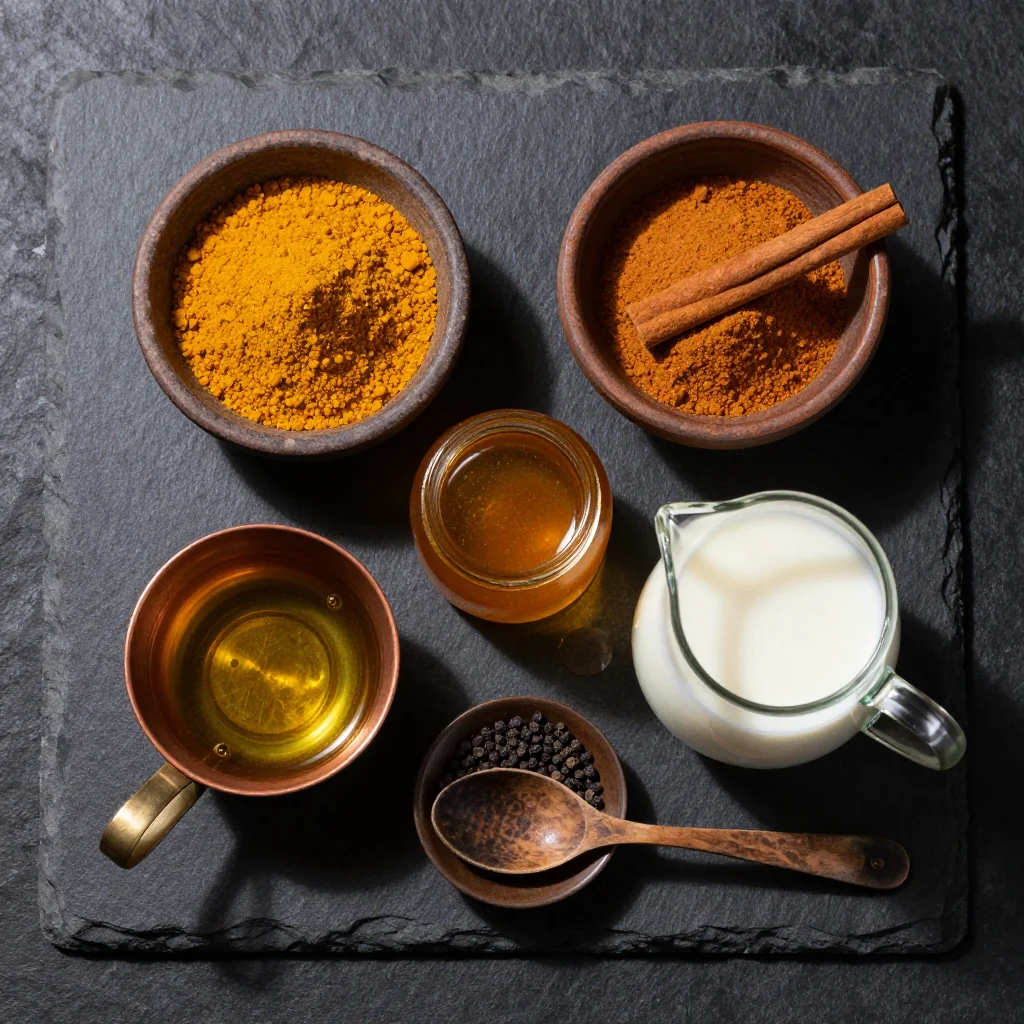
The beauty of this anti-inflammatory latte lies in its simplicity – just a handful of carefully selected ingredients that work synergistically to create something truly special. Each component has been chosen not only for its flavor contribution but also for its specific health benefits and how it interacts with other ingredients.
Turmeric is undeniably the star of this show, and I can't emphasize enough how important it is to use high-quality, fresh turmeric powder. Look for organic varieties that have a vibrant golden-orange color and a distinctly earthy aroma. Avoid turmeric that's been sitting in your pantry for years, as its active compound, curcumin, degrades over time. If you're feeling adventurous, fresh turmeric root can be used – simply grate about 1 inch of fresh root for every teaspoon of powder called for in the recipe.
Ceylon Cinnamon, often called "true cinnamon," is my preferred choice over the more common Cassia variety. While both types offer anti-inflammatory benefits, Ceylon cinnamon has a sweeter, more delicate flavor and contains significantly lower levels of coumarin, making it safer for regular consumption. The cinnamon adds not only warmth and natural sweetness but also helps regulate blood sugar levels, making this latte an excellent choice for those managing diabetes or metabolic conditions.
Fresh Ginger brings its own powerful anti-inflammatory compounds called gingerols, which complement turmeric's curcumin perfectly. I always recommend using fresh ginger rather than powder for this recipe – the difference in flavor is remarkable. Choose ginger that feels firm and heavy for its size, with smooth skin and a spicy, citrusy aroma. Store any leftover ginger in the freezer, where it grates beautifully and keeps for months.
Black Pepper might seem like an unusual addition to a sweet beverage, but it's absolutely crucial for maximizing the bioavailability of curcumin. The piperine in black pepper inhibits certain digestive enzymes that would normally break down curcumin before it can be absorbed. You need only a tiny pinch – just enough to enhance absorption without making the drink taste peppery.
Your Choice of Milk dramatically affects both the nutritional profile and flavor of the final latte. Whole dairy milk provides creaminess and helps with curcumin absorption due to its fat content, while plant-based options offer their own unique benefits. Oat milk creates an incredibly creamy texture and neutral flavor, almond milk adds a subtle nuttiness, coconut milk brings tropical notes and healthy fats, while cashew milk offers the creamiest texture of all plant-based options.
Natural Sweeteners should be added to taste, keeping in mind that the cinnamon already provides natural sweetness. Maple syrup adds minerals and a rich flavor, honey brings its own anti-inflammatory properties (especially raw, local honey), while date paste offers fiber along with sweetness. For those avoiding all sweeteners, a few drops of liquid stevia or monk fruit extract work well without affecting blood sugar.
How to Make Anti Inflammatory Cinnamon Turmeric Latte
Prepare Your Spice Blend
In a small bowl, combine 1 teaspoon of high-quality turmeric powder, 1/2 teaspoon Ceylon cinnamon, 1/4 teaspoon freshly ground ginger (or 1/2 teaspoon if using powder), and a tiny pinch of black pepper. Mix these spices thoroughly to ensure even distribution. This step is crucial because it prevents the spices from clumping when added to liquid. If you're using fresh ginger, grate it finely using a microplane zester to maximize surface area and flavor extraction.
Create a Spice Paste
Add 2 tablespoons of warm water to your spice blend and stir until it forms a smooth paste. This technique, borrowed from traditional Indian chai preparation, helps bloom the spices and prevents them from floating on top of your latte. The warm water activates the essential oils in the spices, releasing their full aromatic potential. Let this paste rest for 2-3 minutes while you prepare the milk – this brief pause allows the spices to hydrate fully and develop their flavors.
Heat Your Milk
Pour 2 cups of your chosen milk into a small saucepan and heat over medium-low heat. The key here is gentle warming – you want to avoid boiling, which can damage the beneficial compounds in the spices and create an unpleasant skin on top of the milk. Stir occasionally to prevent scorching, and watch for small bubbles forming around the edges of the pan. This indicates the milk has reached the perfect temperature (around 160-170°F), warm enough to extract the spices' goodness without damaging their delicate compounds.
Infuse the Spices
Once your milk is warm, whisk in the spice paste vigorously to ensure it's fully incorporated. Continue heating for another 2-3 minutes, stirring constantly. This infusion period is when the magic happens – the warm milk extracts the curcumin from turmeric, the cinnamaldehyde from cinnamon, and the gingerols from ginger. The constant stirring prevents the spices from settling and ensures even distribution throughout the milk. You'll notice the milk gradually taking on a beautiful golden hue.
Sweeten to Taste
Add your preferred sweetener, starting with less than you think you need – you can always add more, but you can't take it away. For maple syrup, start with 1 teaspoon; for honey, 1/2 teaspoon; for date paste, 1 teaspoon. Stir well to dissolve completely. Remember that the cinnamon adds natural sweetness, so taste before adding more sweetener. For those following a strict anti-inflammatory protocol, consider skipping sweeteners entirely and letting the natural flavors shine.
Froth and Serve
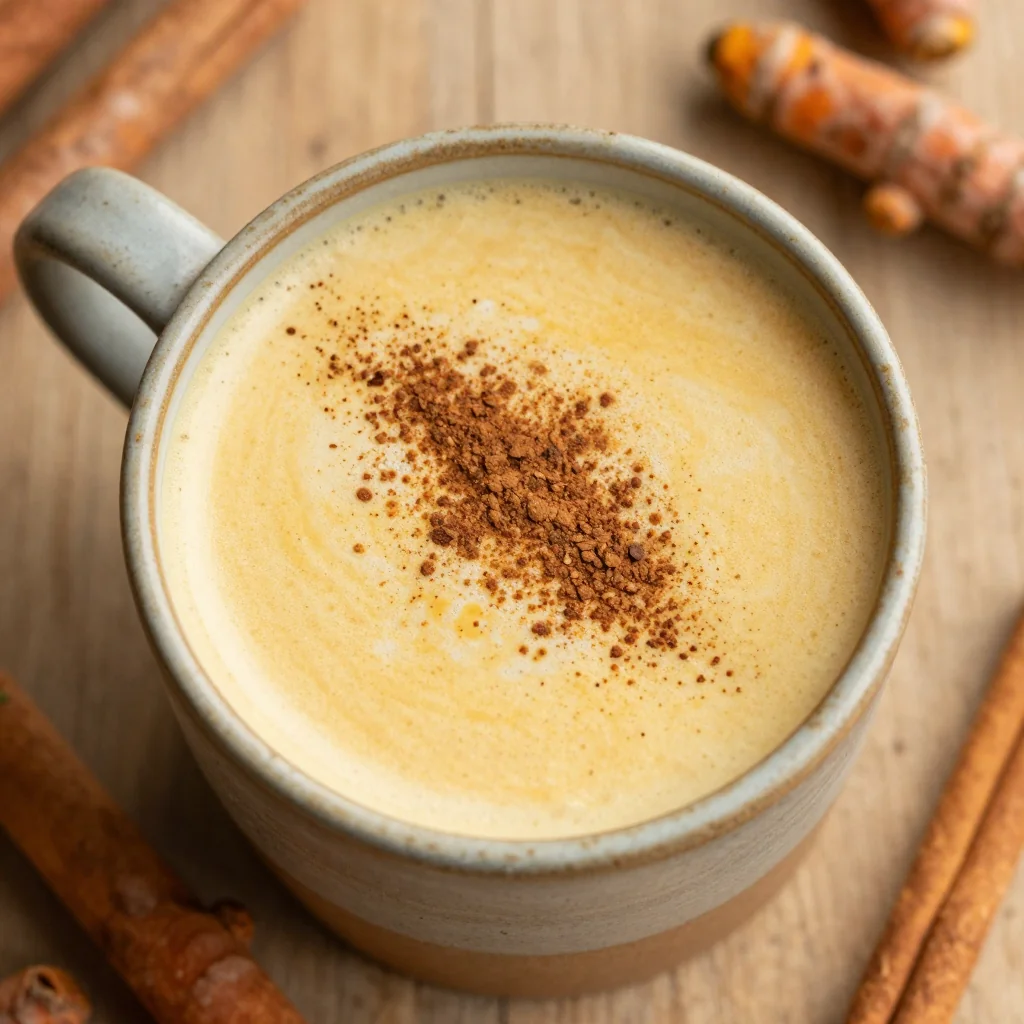
For the perfect café-style finish, froth your latte using a milk frother, immersion blender, or by vigorously whisking. This step isn't just about aesthetics – frothing helps distribute the spices evenly and creates a luxurious texture that makes each sip feel indulgent. Pour into your favorite mug and garnish with a light dusting of cinnamon or a cinnamon stick for stirring. Serve immediately while warm, but not scalding hot, to preserve the beneficial compounds and enjoy the full spectrum of flavors.
Expert Tips
Freeze Your Ginger
Keep fresh ginger in your freezer for easy grating. Frozen ginger grates beautifully on a microplane, creating a fine texture that incorporates seamlessly into your latte. Plus, it keeps for months without losing flavor or potency.
Add Healthy Fats
For enhanced curcumin absorption, add 1/2 teaspoon of coconut oil or ghee to your latte. The fats help transport curcumin across cell membranes, maximizing its anti-inflammatory benefits while adding richness.
Temperature Matters
Avoid boiling your latte, as excessive heat can degrade curcumin and other beneficial compounds. Aim for a comfortable drinking temperature around 140-160°F for optimal flavor and health benefits.
Make a Concentrate
Prepare a large batch of the spice paste and store it in an airtight container in the refrigerator for up to a week. This makes your morning routine even quicker – just add a spoonful to warm milk.
Bloom Your Spices
Before adding spices to milk, bloom them in a dry pan for 30-60 seconds over medium heat. This releases their essential oils and intensifies their flavor, making your latte even more aromatic and beneficial.
Quality Matters
Invest in high-quality, organic spices from reputable sources. Fresh, potent spices make a dramatic difference in both flavor and therapeutic benefit. Check expiration dates and store in airtight containers away from light.
Variations to Try
Golden Mocha Latte
Add 1 tablespoon of raw cacao powder to the spice blend for a chocolatey twist. The cacao provides additional antioxidants and creates a mocha-like flavor that pairs beautifully with the turmeric and cinnamon.
Pumpkin Spice Version
Stir in 2 tablespoons of pumpkin puree and 1/4 teaspoon each of nutmeg and cloves. This autumn-inspired variation adds fiber and creates a seasonal favorite that supports your health year-round.
Iced Golden Latte
Prepare the latte as directed, let it cool to room temperature, then pour over ice. Add a splash of vanilla extract for a refreshing summer version that maintains all the anti-inflammatory benefits.
Chai-Inspired Blend
Add 2 crushed cardamom pods, 2 whole cloves, and 1/4 teaspoon fennel seeds to the milk while heating. Strain before serving for an Indian-inspired version that combines the best of both worlds.
Protein-Powered Latte
Blend in 1 scoop of vanilla protein powder or collagen peptides after removing from heat. This transforms your latte into a satisfying meal replacement that supports muscle recovery and joint health.
Sleepy Time Blend
Add 1/4 teaspoon each of ashwagandha and reishi mushroom powder, plus 1/2 teaspoon vanilla. This calming version promotes relaxation and helps prepare your body for restorative sleep.
Storage Tips
Refrigerator Storage
Prepared latte can be stored in an airtight container in the refrigerator for up to 3 days. The spices will continue to infuse, creating a more intense flavor. Before serving, reheat gently over low heat, whisking well to recombine any separation. Store without sweetener and add fresh when reheating for best results.
Spice Paste Storage
The spice paste (turmeric, cinnamon, ginger, and pepper) can be prepared in large batches and stored in an airtight container in the refrigerator for up to 2 weeks. This makes your morning routine incredibly quick – just add a spoonful to warm milk. You can also freeze the paste in ice cube trays for up to 3 months, using one cube per latte.
Meal Prep Friendly
Prepare a week's worth of individual spice packets using small zip-top bags or reusable containers. Pre-measure all dry spices for single servings, making your morning routine as simple as heating milk and adding your spice packet. These packets stay fresh for up to 3 months when stored in a cool, dark place.
Frequently Asked Questions
Absolutely! The Ceylon cinnamon provides natural sweetness, and many people find they don't need additional sweeteners once their palate adjusts. If you're transitioning away from sweetened beverages, try gradually reducing the sweetener over time. You can also add a few drops of liquid stevia or monk fruit extract if you need just a hint of sweetness without affecting blood sugar.
Yes, daily consumption is generally safe for most people and actually recommended for maximum anti-inflammatory benefits. However, if you're taking blood-thinning medications, have gallbladder issues, or are pregnant, consult your healthcare provider first. The amounts in this recipe are therapeutic but moderate – you would need much larger quantities to experience adverse effects.
Bitterness usually indicates either low-quality turmeric, using too much turmeric, or overheating. Fresh, high-quality turmeric should have an earthy, slightly bitter taste that's balanced by the cinnamon. Make sure you're using Ceylon cinnamon (not Cassia), which is naturally sweeter. Also, avoid boiling the latte, as excessive heat can bring out bitter compounds in the spices.
Yes! Fresh turmeric root is excellent and provides even more vibrant flavor. Use about 1 inch of fresh root for every teaspoon of powder called for in the recipe. Peel the root and grate it finely using a microplane. Be aware that fresh turmeric will stain everything it touches bright yellow, so wear gloves and protect your surfaces. Fresh turmeric also has a shorter shelf life, so use within a week of purchasing.
Whole milk or coconut milk are optimal because the fats help with curcumin absorption. However, if you're avoiding dairy, coconut milk provides healthy medium-chain triglycerides that enhance turmeric's bioavailability. Oat milk is another excellent choice as it creates a naturally creamy texture without overpowering the spices. Ultimately, the best milk is one you'll drink regularly, so choose based on your dietary needs and taste preferences.
Individual responses vary, but most people notice reduced joint stiffness and improved digestion within 1-2 weeks of daily consumption. For systemic inflammation markers, benefits typically become measurable after 4-6 weeks of consistent daily intake. Remember that turmeric works synergistically with a healthy lifestyle – combine your latte with an anti-inflammatory diet rich in fruits, vegetables, and omega-3s for maximum benefit.
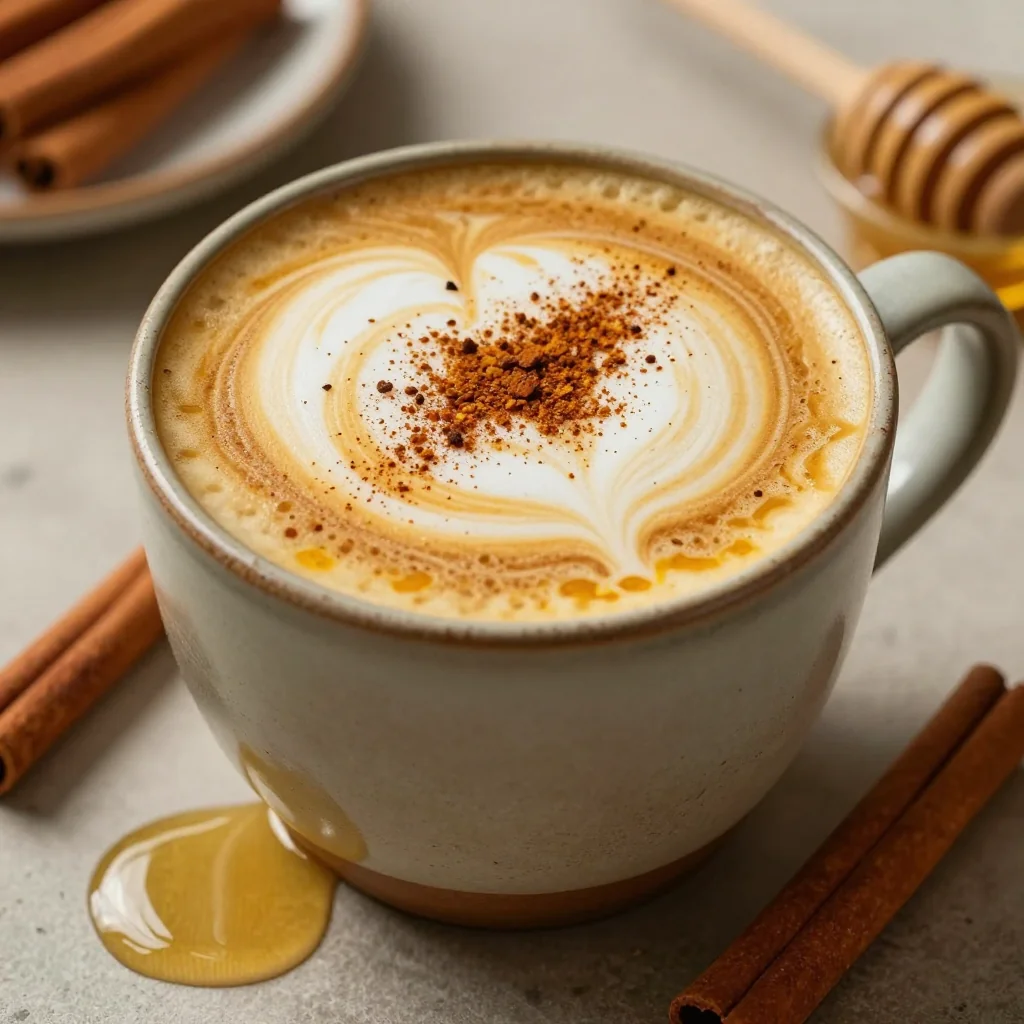
Anti Inflammatory Cinnamon Turmeric Latte
Ingredients
Instructions
- Create spice paste: In a small bowl, combine turmeric, cinnamon, ginger, and pepper with warm water. Mix until smooth and let rest for 2 minutes.
- Heat milk: Pour milk into a small saucepan and warm over medium-low heat until small bubbles appear around the edges.
- Infuse spices: Whisk the spice paste into the warm milk and continue heating for 2-3 minutes, stirring constantly.
- Sweeten: Add maple syrup and vanilla if using, stirring until completely dissolved.
- Froth and serve: Use a milk frother or whisk vigorously to create foam. Pour into mugs and garnish with a cinnamon stick.
- Enjoy: Serve immediately while warm for maximum flavor and benefits.
Recipe Notes
For enhanced absorption, add 1/2 teaspoon coconut oil. Fresh turmeric can stain surfaces – handle with care. Start with less sweetener and adjust to taste. Store spice paste in refrigerator for up to 2 weeks.